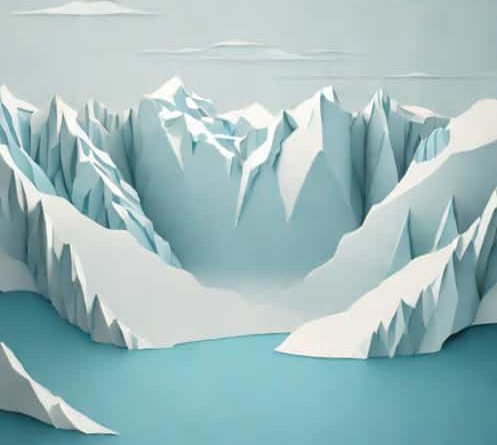
Geography Definition Of Glacier
Glaciers are one of the most fascinating features studied in geography, representing massive, slow-moving bodies of ice that shape landscapes and influence the environment. They are not just frozen rivers but dynamic systems that respond to climate, topography, and geological processes. Understanding the geography definition of a glacier provides insight into its formation, types, movement, and impact on both natural environments and human activities. This topic explores glaciers from a geographical perspective, explaining their characteristics, formation processes, types, and significance in a way that is easy to understand.
Geography Definition of Glacier
In geography, a glacier is defined as a large, persistent mass of ice that forms on land from the accumulation, compaction, and recrystallization of snow over many years. Unlike seasonal snow or ice, glaciers are permanent and capable of movement due to their weight and internal deformation. They flow slowly under the influence of gravity, shaping valleys, mountains, and plains. Glaciers are often considered powerful agents of erosion and deposition, making them key subjects in physical geography and Earth science.
A glacier can range in size from small ice patches in high mountains to vast ice sheets covering millions of square kilometers in polar regions. The study of glaciers, known as glaciology, helps geographers and scientists understand climate change, water resources, and landform development over geological time.
Formation of Glaciers
Glaciers form over long periods in regions where the amount of snowfall exceeds the amount of snow that melts each year. The formation process involves several stages
Snow Accumulation
The first stage begins with the accumulation of snow in cold climates, typically in high-altitude mountains or polar areas. Over time, layers of snow build up and begin to compact under their own weight.
Compaction and Recrystallization
As snow layers accumulate, the pressure causes the lower layers to compress, expelling air and increasing density. Over years, this process transforms the snow into granular ice called firn, and eventually into dense glacial ice.
Glacier Movement
Once enough ice has formed, the glacier begins to move under the influence of gravity. Movement occurs through internal deformation, where ice crystals shift and slide over each other, and basal sliding, where the glacier moves over a layer of meltwater at its base. This slow flow allows glaciers to shape the land through erosion and deposition.
Types of Glaciers
Geographers classify glaciers based on their size, shape, and location. Understanding these types is important to grasp how glaciers interact with landscapes.
Valley Glaciers
Valley glaciers, also called alpine glaciers, form in mountain valleys. They flow down existing river valleys and often create U-shaped valleys as they erode the surrounding rock. Examples include the glaciers in the Himalayas and the Alps.
Continental Glaciers
Continental glaciers, also known as ice sheets, are vast, thick masses of ice that cover entire continents. They are found in Antarctica and Greenland and can be several kilometers thick. Ice sheets influence global sea levels and climate patterns due to their size and mass.
Piedmont Glaciers
Piedmont glaciers occur when valley glaciers spread out onto flat plains at the base of mountains, forming broad, fan-shaped ice masses. They are less common but significant in certain regions such as Alaska.
Ice Caps and Ice Fields
Ice caps are smaller than continental glaciers but still cover large areas, typically in polar or high-altitude regions. Ice fields are collections of interconnected glaciers, often feeding multiple valleys with ice flow.
Glacial Landforms
Glaciers are powerful agents of both erosion and deposition. Their movement shapes a variety of landforms, many of which are studied in physical geography.
Erosional Landforms
Erosion by glaciers occurs as ice scrapes and plucks rock from the surface. Common erosional features include
- U-shaped valleys formed by valley glaciers
- Cirques, which are bowl-shaped depressions at the head of a glacier
- Arêtes, sharp ridges between glacial valleys
- Horns, pointed mountain peaks created by multiple glaciers eroding a mountain from different sides
Depositional Landforms
Glaciers also deposit materials as they advance and retreat, creating features such as
- Moraines, which are accumulations of rock debris at glacier edges
- Drumlins, streamlined hills of glacial till
- Outwash plains formed by meltwater streams carrying sediments
- Kettles, depressions left behind after ice blocks melt
Importance of Glaciers
Glaciers play a crucial role in the environment and human society. Their significance extends to water resources, climate regulation, and ecological balance.
Freshwater Reservoirs
Glaciers store a significant portion of the Earth’s freshwater. During warmer seasons, melting glaciers feed rivers and lakes, providing water for drinking, agriculture, and hydropower. In many mountainous regions, communities depend on glacier meltwater for survival.
Indicators of Climate Change
Glaciers are sensitive to temperature changes and serve as natural indicators of climate change. The retreat or advance of glaciers provides scientists with data on global warming, snowfall patterns, and long-term climate trends.
Impact on Sea Level
Melting glaciers contribute to rising sea levels. The study of glaciers helps geographers predict changes in coastal areas, manage risks, and plan for sustainable development.
Tourism and Recreation
Glaciers attract tourists and adventure enthusiasts. Activities like skiing, mountaineering, and glacier trekking support local economies and provide educational opportunities to understand glacial environments.
Glacier Movement and Dynamics
Understanding glacier movement is essential in geography because it explains how glaciers shape landscapes over time. Glaciers move slowly, often just a few centimeters to several meters per day, depending on slope, ice thickness, and temperature. Their dynamics include processes like surging, where a glacier moves rapidly for a short period, and calving, where chunks of ice break off into lakes or oceans.
Factors Affecting Glacier Movement
- Gravity and slope of the land
- Ice thickness and internal deformation
- Basal water that lubricates movement
- Temperature and seasonal changes
In geography, a glacier is a large, persistent mass of ice formed from compacted snow that moves slowly over land. Glaciers shape landscapes through erosion and deposition, creating unique landforms such as U-shaped valleys, moraines, and cirques. They are essential freshwater reservoirs, indicators of climate change, and contributors to ecological and human systems. By studying glaciers, geographers gain insight into past and present environmental processes, understand the impacts of global warming, and appreciate the natural beauty and power of these icy giants. Understanding the definition and significance of glaciers is crucial for anyone interested in physical geography, environmental science, or the dynamic processes that shape our planet.