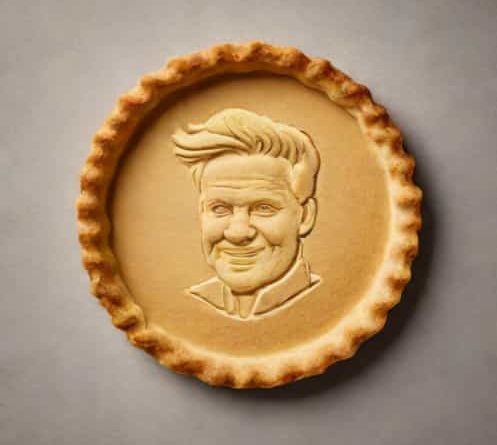
Gordon Ramsay Shortcrust Pastry
Gordon Ramsay, one of the most renowned chefs in the world, has shared countless culinary techniques and recipes that have inspired home cooks and professional chefs alike. Among his many tips, mastering shortcrust pastry is considered a fundamental skill for anyone interested in baking. Shortcrust pastry is versatile, forming the base of pies, tarts, and quiches, and its texture and flavor can greatly influence the final dish. Ramsay’s approach to shortcrust pastry emphasizes simplicity, precision, and attention to detail, ensuring that even novice bakers can achieve professional results with practice and care.
Understanding Shortcrust Pastry
Shortcrust pastry is a type of pastry known for its crumbly and tender texture, which is achieved by balancing fat, flour, and water. The term short refers to the fact that the fat inhibits gluten formation, resulting in a delicate and melt-in-the-mouth pastry. Unlike puff pastry, which is layered and flaky, shortcrust pastry provides a solid and reliable base that holds fillings without collapsing, making it ideal for both sweet and savory dishes.
Ingredients Used by Gordon Ramsay
Ramsay’s shortcrust pastry recipe typically calls for basic pantry ingredients, but the quality and handling of these ingredients are key
- Flour usually plain or all-purpose flour for a smooth and uniform texture.
- Butter cold, unsalted butter cut into cubes; high-quality butter enhances flavor.
- Water ice-cold water to bring the dough together without warming the butter.
- Salt a pinch to enhance taste, especially in savory pies.
- Sugar optional, used in sweet pastries to add a gentle sweetness.
The simplicity of the ingredients highlights the importance of technique and precision in creating perfect shortcrust pastry.
Step-by-Step Preparation
Following Gordon Ramsay’s method ensures consistent results. Each step requires attention to detail, particularly when handling the butter and flour to maintain a cold temperature and prevent overworking the dough.
1. Combining Flour and Butter
The first step is to rub the butter into the flour until the mixture resembles fine breadcrumbs. Ramsay emphasizes using your fingertips lightly to avoid warming the butter too much, as melted butter can make the pastry greasy and tough. This technique creates the characteristic crumbly texture of shortcrust pastry.
2. Adding Water
Next, ice-cold water is gradually added to bring the dough together. Ramsay suggests adding just enough to bind the ingredients without making the dough sticky. Over-hydration can result in a tough pastry, while under-hydration can make it crumbly and difficult to roll out. The dough should come together gently and be smooth enough to form a ball without sticking to your hands.
3. Chilling the Dough
Once the dough is formed, it is wrapped in cling film and chilled in the refrigerator for at least 30 minutes. This step is crucial for resting the gluten and firming up the butter, which helps prevent shrinkage during baking. Ramsay often stresses that patience in chilling the dough is one of the keys to a successful shortcrust pastry.
4. Rolling Out the Pastry
After chilling, the dough is rolled out on a lightly floured surface to the desired thickness. Ramsay recommends rolling evenly to avoid thin spots, which can burn or tear during baking. The pastry should be transferred carefully to the pie or tart tin, ensuring it fits snugly and any excess is trimmed. Blind baking may be required for certain recipes to prevent soggy bases.
Tips for Perfect Shortcrust Pastry
Gordon Ramsay provides several tips that elevate homemade shortcrust pastry to professional standards
- Keep ingredients and hands cold to maintain the pastry’s short texture.
- Do not overwork the dough to avoid activating gluten, which makes it tough.
- Use a light dusting of flour on the rolling surface to prevent sticking but avoid incorporating too much flour into the dough.
- Rest the dough adequately in the refrigerator to allow the butter to firm up and the gluten to relax.
- Consider using a pastry brush to dock the dough with small holes if blind baking to prevent puffing.
Common Mistakes and How to Avoid Them
Even experienced bakers can encounter issues when making shortcrust pastry. Ramsay highlights common mistakes and solutions
- Pastry too tough usually caused by overworking the dough or using warm butter.
- Cracks when rolling can be fixed by gently pressing pieces together or letting the dough warm slightly.
- Shrinking in the tin prevent by chilling the dough and pricking holes during blind baking.
- Soggy base blind bake the crust or use a layer of breadcrumbs or egg wash to protect wet fillings.
Applications of Shortcrust Pastry
Shortcrust pastry is versatile, forming the foundation of countless dishes. Gordon Ramsay demonstrates its use in both sweet and savory recipes, allowing cooks to explore a wide range of culinary creations.
Sweet Uses
Sweet applications include fruit tarts, custard pies, and chocolate-based desserts. The tender texture of the pastry complements delicate fillings, providing a satisfying contrast in flavor and mouthfeel. Sweet shortcrust can also be flavored with vanilla, citrus zest, or almond extract for added complexity.
Savory Uses
Savory applications include quiches, meat pies, and vegetable tarts. The buttery, crisp base pairs well with rich, flavorful fillings such as cheese, eggs, and roasted vegetables. Ramsay often emphasizes seasoning the pastry slightly when preparing savory dishes to enhance overall taste.
Why Gordon Ramsay’s Method Works
Ramsay’s approach to shortcrust pastry works because it focuses on simplicity, precision, and the science of baking. Maintaining cold ingredients, careful handling, and resting the dough ensures the perfect balance between tenderness and structure. By understanding the underlying principles, bakers can adapt the method to various recipes and achieve consistently impressive results.
Mastering shortcrust pastry is a valuable skill for anyone interested in baking, and Gordon Ramsay’s method provides a clear and practical approach. From understanding the role of ingredients to precise handling and resting techniques, his tips ensure that both beginners and experienced bakers can achieve perfect results. Whether making sweet tarts, savory pies, or elegant quiches, following these guidelines creates a reliable, flavorful, and professional-quality pastry. By practicing Ramsay’s techniques, bakers can elevate their culinary creations and enjoy the satisfaction of producing beautiful and delicious shortcrust pastries at home.