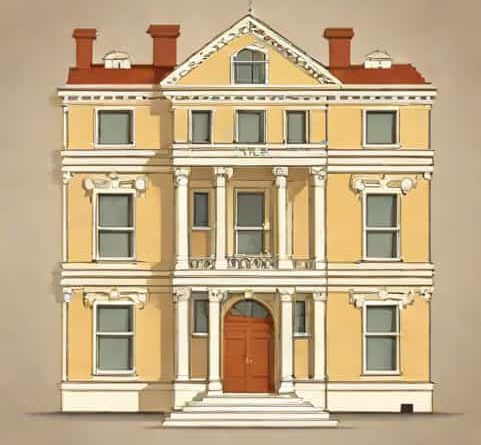
Prince Andrew Royal Lodge Home
Prince Andrew, Duke of York, has long been associated with the Royal Lodge, a stately home nestled in Windsor Great Park. This residence has played a central role in his life as a member of the British royal family, offering privacy, luxury, and proximity to Windsor Castle. The Royal Lodge is known for its elegant architecture, expansive grounds, and historical significance within the royal estate. Understanding the history, features, and context of Prince Andrew’s home provides insight into royal living, estate management, and the broader cultural importance of such residences in the United Kingdom.
Historical Background of Royal Lodge
The Royal Lodge has a rich history dating back to the 17th century, serving various roles throughout the centuries before becoming associated with Prince Andrew. Originally constructed as a hunting lodge, it has undergone numerous renovations and expansions to meet the needs of successive royal occupants. Its location in Windsor Great Park makes it part of one of the largest and most historically significant royal estates in England. Over the years, Royal Lodge has been home to members of the royal family and has hosted notable events, reflecting its importance within the monarchy.
Architectural Significance
The architecture of Royal Lodge combines classic Georgian elements with modern enhancements made to accommodate contemporary living. The residence features elegant facades, expansive windows, and a harmonious blend of traditional and functional spaces. Interior renovations have included state-of-the-art amenities while preserving the historical charm of the property. The design reflects both royal taste and practical considerations, ensuring comfort, security, and adaptability for its occupants.
Prince Andrew and the Royal Lodge
Prince Andrew, Duke of York, was granted Royal Lodge as a residence, providing him with a private yet prestigious home within the royal estate. The property allowed for a degree of autonomy and personal space while remaining closely connected to other members of the royal family, particularly Queen Elizabeth II and Prince Philip, who resided nearby at Windsor Castle. Living at Royal Lodge offered Prince Andrew a blend of public duty accessibility and private retreat, balancing royal responsibilities with family life.
Family Life and Residence
During his time at Royal Lodge, Prince Andrew shared the residence with his family, including his former wife, Sarah, Duchess of York, and their children. The home provided space for family gatherings, private celebrations, and leisure activities, reflecting the lifestyle expected of senior members of the royal family. Its grounds offered recreational opportunities, including gardens, walking paths, and scenic vistas, which were integral to the family’s domestic life.
Interior and Amenities
Royal Lodge is notable for its luxurious interior, combining elegance with practical functionality. The residence includes formal reception rooms, private living areas, and spaces for hosting guests and official engagements. Attention to detail in furnishings, décor, and art collection reflects both historical significance and contemporary royal taste. The home is equipped with modern security, communications, and comfort features, allowing the Duke of York to maintain a secure and private lifestyle while performing his public and ceremonial duties.
Key Features of Royal Lodge
- Formal Reception Rooms Used for hosting dignitaries, family events, and official gatherings.
- Private Family Quarters Bedrooms, living areas, and leisure spaces designed for comfort and privacy.
- Gardens and Grounds Expansive landscaped areas for recreation, relaxation, and outdoor activities.
- Modern Amenities Advanced security systems, communications, and household technologies.
- Historical Artwork and Décor Preserving royal heritage while providing contemporary elegance.
Royal Lodge in the Context of the Windsor Estate
Royal Lodge is part of the wider Windsor Estate, which includes Windsor Castle, Frogmore House, and other royal residences. Its proximity to these locations allows for convenient participation in official ceremonies, social events, and family gatherings. The estate is meticulously maintained, with a focus on security, heritage preservation, and landscape management. Royal Lodge, therefore, functions as both a private home and a component of the broader royal infrastructure, highlighting the interconnection between personal living and royal duty.
Security and Privacy
Security is a critical aspect of life at Royal Lodge. The residence benefits from extensive measures, including perimeter monitoring, controlled access points, and coordinated protection by royal security teams. Privacy is equally important, allowing the Duke of York to conduct personal and family activities without undue public intrusion. These measures ensure that Royal Lodge remains a safe and functional home, balancing the needs of a high-profile royal figure with everyday domestic life.
Public Interest and Media Coverage
Royal Lodge and Prince Andrew have been subjects of media attention over the years. Public curiosity about the residence often relates to its historical significance, architectural beauty, and the lifestyle of the Duke of York. Media coverage has ranged from property features and architectural analysis to reporting on events and personal milestones associated with the Duke. This attention reflects the broader public interest in the royal family and their homes, illustrating how residences like Royal Lodge occupy both private and symbolic spaces in national consciousness.
Notable Events and Engagements
- Family Gatherings Celebrations, holidays, and personal milestones attended by royal relatives.
- Official Visits Hosting dignitaries and representatives in a private and prestigious setting.
- Charitable Functions Support of local and national causes through events at the residence.
- Media Features Coverage highlighting the home’s architecture, history, and significance.
Renovations and Estate Management
Over the years, Royal Lodge has undergone renovations to maintain its structural integrity and accommodate modern needs. These renovations include restoration of historical features, updates to electrical and plumbing systems, and enhancements to living spaces for comfort and practicality. Estate management also involves careful landscaping, conservation of natural resources, and coordination with the wider Windsor Estate team. These efforts ensure that Royal Lodge remains both a functional residence and a preserved piece of royal heritage.
Environmental and Aesthetic Considerations
- Landscape Design Maintaining gardens, walking paths, and natural features in harmony with the estate.
- Conservation Efforts Protecting wildlife, trees, and historic structures within the grounds.
- Aesthetic Enhancements Architectural and interior updates that preserve historical character.
- Functional Upgrades Modernizing utilities and amenities for contemporary living.
Prince Andrew’s Royal Lodge home is more than a residence; it is a symbol of historical heritage, royal lifestyle, and architectural elegance. The home’s location, design, and amenities reflect the unique requirements of a senior royal family member, balancing privacy with accessibility to the broader Windsor Estate. Through its historical significance, luxurious interior, and well-maintained grounds, Royal Lodge exemplifies the integration of tradition and modernity within the context of royal living. Understanding this residence provides insight into the life of Prince Andrew and the role of royal homes in preserving cultural and historical legacies.
Overall, Royal Lodge stands as a testament to the British monarchy’s commitment to heritage, comfort, and function. It serves as a private sanctuary for the Duke of York while remaining an integral part of Windsor’s historical and social landscape. From architectural features to family life and estate management, the residence encapsulates the multifaceted nature of royal homes, illustrating the blend of personal, cultural, and national significance associated with living in such prestigious properties.