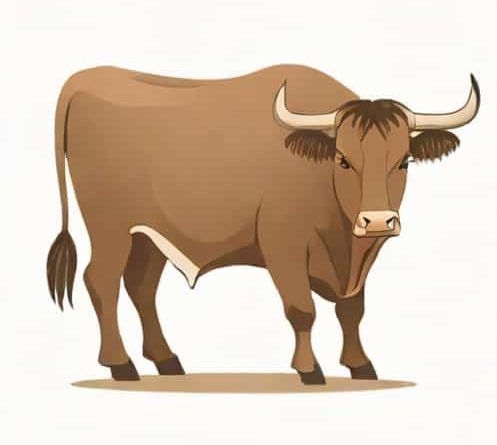
How Big Is A Steer
When it comes to livestock, few animals capture attention like the steer. Steers are male cattle that have been castrated, primarily raised for beef production rather than breeding purposes. Understanding how big a steer can get is important for farmers, ranchers, and anyone interested in cattle management. The size of a steer can vary greatly depending on breed, diet, age, and overall care. Unlike bulls, steers tend to have a more manageable temperament, which makes them easier to handle, but their growth potential remains substantial. Farmers often track their weight and size closely to ensure they are on the right path for beef production, optimizing feed and space accordingly.
Factors Affecting Steer Size
Several factors influence the size of a steer. Genetics play a crucial role, as different cattle breeds have varying growth rates and mature sizes. For example, Angus steers are known for their muscular build and moderate size, while larger breeds like Charolais or Chianina can reach significantly bigger dimensions. Age is another major factor. Steers continue to grow until they reach full maturity, which usually occurs around 2 to 3 years of age. Nutrition and care are also vital. A well-fed steer with a balanced diet of grains, forage, and supplements can grow faster and heavier than one with poor nutrition. Environmental factors such as housing, pasture quality, and climate can also influence overall growth.
Average Weight and Height
On average, a mature steer can weigh anywhere between 1,000 and 1,800 pounds, though some large breeds can surpass 2,000 pounds. The height of a steer at the shoulder typically ranges from 4 to 5 feet, depending on the breed and individual growth patterns. For comparison, an Angus steer might weigh around 1,200 to 1,500 pounds and stand approximately 4.5 feet tall at the shoulder, while a Charolais steer could reach 2,000 pounds or more and stand closer to 5 feet tall. These measurements are not only important for beef production but also for transportation and housing, as steers require appropriate space to move comfortably and safely.
Breed Differences
Different breeds exhibit varying sizes and growth tendencies. Here are some common steer breeds and their typical sizes
- AngusKnown for high-quality beef, these steers usually weigh 1,200-1,500 pounds and have a compact, muscular build.
- HerefordOften weighing 1,300-1,600 pounds, Hereford steers are hardy and adaptable, making them popular on farms worldwide.
- CharolaisLarge and muscular, these steers can weigh 1,800-2,200 pounds and are often chosen for their rapid growth and high meat yield.
- ChianinaAmong the largest cattle breeds, mature steers can exceed 2,500 pounds and stand over 6 feet tall, though such size requires substantial feed and care.
- SimmentalA versatile breed, Simmental steers often weigh between 1,500 and 2,000 pounds and are known for both meat and milk production in some cases.
Weight Gain Over Time
Steers gain weight gradually, with the fastest growth occurring during their first year of life. Typically, a healthy calf will gain around 2 to 3 pounds per day under good conditions. By the time a steer reaches one year of age, it may weigh between 600 and 900 pounds. Growth rates tend to slow after the first year, but with proper nutrition, steers can continue gaining significant weight until they reach full maturity. Farmers often monitor their steers’ weight using scales or weight tapes to track growth patterns and adjust feeding strategies accordingly.
Managing Steer Size for Beef Production
For beef production, managing the size of a steer is crucial. Steers are usually sold when they reach an optimal market weight, which can vary between 1,200 and 1,500 pounds depending on breed and demand. Achieving this weight efficiently requires careful attention to diet, including a balance of forage, grains, and protein supplements. Proper veterinary care also supports growth by preventing disease and promoting overall health. Housing and pasture management are equally important, as overcrowded conditions can lead to stress and slower growth. Farmers may also separate steers by size or age to ensure that smaller animals are not overshadowed by larger, more dominant individuals.
Implications of Steer Size
The size of a steer has implications beyond just market weight. Larger steers require more feed, more space, and sometimes more labor to manage safely. However, bigger animals often yield more meat, which can increase profits for farmers. On the other hand, excessively large steers may face health issues such as joint stress or difficulty with reproduction in the case of other herd management strategies. Understanding the ideal size for a given breed and market can help farmers balance growth, health, and profitability effectively.
Steers vary widely in size, influenced by breed, genetics, diet, age, and environmental conditions. On average, mature steers weigh between 1,000 and 1,800 pounds and stand 4 to 5 feet tall, though larger breeds can exceed these ranges. Proper management of diet, housing, and veterinary care is essential for achieving optimal growth. By understanding the factors that affect steer size and carefully monitoring their development, farmers can ensure healthy animals and maximize beef production efficiently. Whether you are a small-scale rancher or a large commercial farmer, knowing how big a steer can get is vital for planning, management, and success in cattle farming.