How Do You Pronounce Yggdrasil
Yggdrasil is one of the most fascinating and enduring symbols in Norse mythology, representing the immense World Tree that connects the nine realms. Despite its prominence in mythology, literature, and popular culture, many people are unsure how to pronounce Yggdrasil correctly. Understanding its pronunciation is not just a linguistic curiosity but also a way to respect the rich heritage of Norse culture. The word originates from Old Norse, a language that differs significantly from modern English, and its unique combination of letters can make it challenging for newcomers to say it correctly without guidance.
The Origins of Yggdrasil
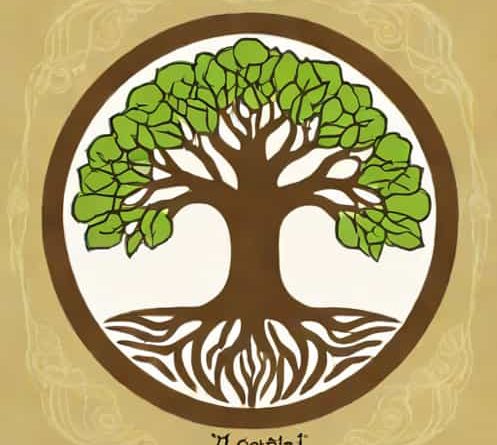
The name Yggdrasil comes from Old Norse, where Yggr is one of the many names of Odin, the chief god, and drasill means horse or steed. Together, the name can be interpreted as Odin’s horse, a poetic reference to how Odin hung on the tree during his self-sacrifice to gain wisdom. Yggdrasil is often depicted as an enormous ash tree that forms the axis of the cosmos, with branches that stretch into the heavens and roots that delve into various realms, including Asgard, Midgard, and Hel. Understanding this background gives context to why pronunciation matters it is tied to stories that have been told for centuries and continue to influence literature, gaming, and art.
Common Mispronunciations
Many people who encounter the word Yggdrasil for the first time struggle with pronouncing it correctly. Common mistakes include simplifying it to ig-drass-il, yig-dra-sil, or ee-guh-dra-sil. These mispronunciations often stem from attempting to apply English phonetics to an Old Norse word. While these approximations are understandable, they do not capture the traditional pronunciation and can obscure the linguistic roots of the term. By learning the correct pronunciation, one gains a deeper appreciation for the cultural and historical context of Norse mythology.
Breaking Down the Pronunciation
The correct pronunciation of Yggdrasil can be broken down into three main components Ygg, dra, and sil. Each part has specific sounds that reflect its Old Norse origins. The first syllable, Ygg, is pronounced with a short, almost clipped ig sound, similar to the ig in rig, but with a softer initial y sound. The second part, dra, is pronounced like drah, with an open ‘a’ sound, resembling the ‘a’ in father. The final syllable, sil, is pronounced simply as sil, with a short and clear ‘i’ sound, similar to the ‘i’ in sit. Combining these sounds produces IG-drah-sil, which is widely accepted as a close approximation to the Old Norse pronunciation.
Phonetic Representation
For clarity, Yggdrasil can be represented phonetically as
- IPA notation [ˈɪɡˌdraːsɪl]
- Simple phonetic spelling IG-drah-sil
Using these guides, anyone can practice saying the name in a way that honors its origins. Listening to native speakers or language experts who study Old Norse can also improve accuracy and confidence in pronunciation.
Why Pronunciation Matters
Pronouncing Yggdrasil correctly is more than just a linguistic exercise. It demonstrates respect for Norse mythology, which has shaped literature, art, and culture for centuries. Correct pronunciation also facilitates clearer communication in educational, academic, or fan communities, particularly when discussing mythology, video games, or fantasy literature where Yggdrasil frequently appears. Additionally, using accurate pronunciation can enhance storytelling, making narratives about the World Tree more authentic and engaging for audiences.
Tips for Learning the Pronunciation
Learning how to say Yggdrasil can be easier with consistent practice and helpful techniques. Consider the following tips
- Break the word into syllables IG – DRA – SIL.
- Practice each syllable slowly before combining them.
- Listen to recordings from mythology experts or linguists.
- Repeat the word in context, such as saying Yggdrasil connects the nine realms.
- Use mnemonic devices to remember the syllables and sounds.
By applying these strategies, anyone can gain confidence in pronouncing Yggdrasil correctly and consistently.
Yggdrasil in Modern Culture
Yggdrasil has permeated modern culture, appearing in literature, video games, movies, and television series. From the epic narratives of Norse sagas to games like God of War or anime such as Noragami, Yggdrasil is a central symbol of connection and cosmic significance. Knowing how to pronounce the name correctly allows fans, educators, and enthusiasts to discuss the mythology accurately and with credibility. It also bridges the gap between historical authenticity and contemporary reinterpretations of the World Tree.
Connecting with Norse Mythology
Mastering the pronunciation of Yggdrasil encourages deeper engagement with Norse mythology. By understanding its roots and meaning, people can explore other Old Norse words, names of deities, and mythological concepts more confidently. This connection enhances learning and appreciation of cultural heritage, and it allows for richer discussion in both academic and informal settings. Proper pronunciation serves as a gateway to greater exploration of the Norse mythological universe.
Learning how to pronounce Yggdrasil correctly is both an educational and cultural endeavor. By understanding its Old Norse origins, breaking down its syllables, and practicing with phonetic guides, anyone can confidently say IG-drah-sil. Proper pronunciation enriches engagement with Norse mythology, supports clear communication, and shows respect for the historical and cultural significance of this iconic World Tree. Whether discussing Yggdrasil in an academic context, a fan community, or simply sharing stories, knowing how to say it correctly ensures that the legacy of this mythological symbol is preserved and appreciated across generations.