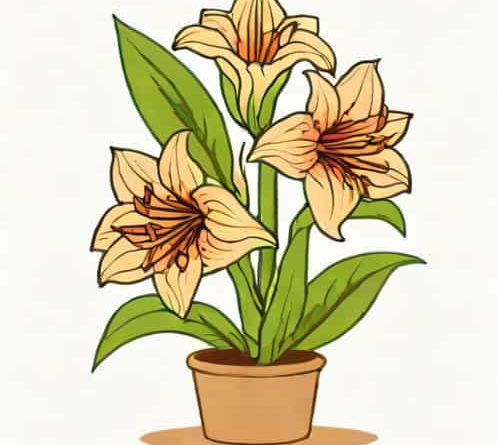
How To Get Amaryllis To Rebloom
Getting an amaryllis to rebloom can be a rewarding experience for gardeners and plant enthusiasts. Amaryllis bulbs are known for their large, vibrant flowers that can brighten any room during the winter months. However, after the initial bloom, it can be challenging to encourage the plant to flower again the following season. Success in reblooming requires proper care, attention to light, water, and nutrients, as well as understanding the plant’s natural growth cycle. By following a series of steps to care for the foliage, bulbs, and soil, you can enjoy multiple seasons of stunning amaryllis blooms in your home or garden.
Understanding the Amaryllis Growth Cycle
Before attempting to rebloom your amaryllis, it’s important to understand its growth cycle. Amaryllis bulbs have a natural period of active growth followed by dormancy. The flowering phase typically occurs in winter or early spring, after which the plant focuses on growing leaves and storing energy in the bulb. Proper management of each phase is essential to encourage the bulb to produce flowers again.
Active Growth Phase
During active growth, amaryllis bulbs require bright light, consistent watering, and appropriate feeding. The plant uses this time to photosynthesize and build up energy in the bulb. Healthy leaves are key, as they supply nutrients to the bulb and prepare it for the next flowering cycle.
Dormancy Phase
After flowering and leaf growth, amaryllis enters a dormant period. This phase allows the bulb to rest and conserve energy for the next bloom. Proper dormancy management, including reducing water and light exposure, is crucial for successful reblooming.
Post-Bloom Care
Immediately after the flowers fade, taking care of the amaryllis properly can make the difference between rebloom success and failure. Deadheading spent flowers while leaving the leaves intact ensures that the bulb continues to receive energy from photosynthesis.
Remove Spent Blooms
- Cut off flower stalks at the base near the bulb once blooms fade.
- Avoid cutting the leaves, as they are necessary for energy production.
- Removing old flowers prevents the plant from wasting energy on seed production.
Fertilize Regularly
After flowering, continue feeding the plant with a balanced liquid fertilizer every two to four weeks. Fertilizing supports leaf growth and helps the bulb store energy for the next blooming season. Avoid high-nitrogen fertilizers that promote foliage at the expense of flower development.
Providing Optimal Light and Water
Proper light and watering are essential to keep amaryllis healthy and encourage reblooming. The plant needs bright, indirect light for several hours a day, especially during the active growth period. Watering should be consistent but moderate, allowing the soil to dry slightly between waterings to prevent bulb rot.
Light Requirements
- Place the plant in a sunny window with indirect light.
- If natural light is limited, consider using a grow light for 8 to 10 hours per day.
- Rotate the plant occasionally to ensure even leaf growth.
Watering Guidelines
- Water when the top inch of soil feels dry to the touch.
- Reduce watering gradually as the leaves yellow and the plant approaches dormancy.
- Ensure proper drainage to avoid waterlogged soil, which can damage the bulb.
Preparing for Dormancy
After the leaves begin to yellow, usually in late summer or early fall, it’s time to prepare the amaryllis bulb for dormancy. This resting period is critical for triggering the hormonal changes that lead to flowering in the next season.
Reducing Water and Light
- Gradually decrease watering over a period of two to three weeks.
- Move the bulb to a cool, dark location with temperatures around 50 60°F (10 15°C).
- Keep the bulb dry during dormancy to prevent rot.
Storing the Bulb
Store the bulb in a paper bag or ventilated container to prevent mold and provide airflow. The bulb can remain dormant for 8 to 12 weeks, which is usually sufficient for preparing the plant for the next bloom cycle. Avoid storing bulbs in sealed plastic, which can trap moisture and cause decay.
Reactivating the Bulb
After the dormancy period, it’s time to wake the amaryllis bulb and encourage it to produce flowers again. Reactivating the bulb requires gradual exposure to light and water.
Repotting and Refreshing Soil
- Remove any old, depleted soil and replace it with fresh, well-draining potting mix.
- Choose a pot that is slightly larger than the bulb, leaving minimal extra space to prevent excess soil moisture.
- Ensure the bulb is planted with the top third exposed above the soil for proper growth.
Resuming Watering and Light
- Gradually reintroduce water, starting lightly and increasing as leaves begin to emerge.
- Place the bulb in a bright, warm location with indirect sunlight to stimulate growth.
- Maintain consistent care with moderate watering and periodic fertilization as the plant grows.
Encouraging Flower Stalk Development
Once the leaves are healthy and strong, the bulb is ready to produce flower stalks. Encouraging stalk development may require additional care, such as consistent fertilization and stable environmental conditions.
Fertilization Tips
- Use a balanced or high-phosphorus fertilizer to stimulate flower production.
- Fertilize every 2 4 weeks during active growth to support stalk development.
- Avoid over-fertilization, which can cause excessive leaf growth at the expense of flowers.
Temperature Considerations
Maintain temperatures between 65 75°F (18 24°C) during the day and slightly cooler at night. Stable temperatures encourage hormonal signals in the bulb that lead to flower initiation. Avoid drafts and sudden temperature changes that can stress the plant and delay flowering.
Preventing Common Problems
Several issues can prevent amaryllis from reblooming, including disease, pests, or improper care. Monitoring the plant closely and addressing problems promptly ensures successful reblooming.
Common Problems and Solutions
- Pest infestations Treat with insecticidal soap or remove affected leaves.
- Bulb rot Ensure proper drainage and reduce watering during dormancy.
- Weak leaves Increase light exposure and maintain consistent fertilization.
- Delayed blooms Be patient, as some bulbs may require multiple seasons to rebloom consistently.
Getting an amaryllis to rebloom requires understanding the plant’s natural growth cycle, providing proper care during active growth, preparing for dormancy, and carefully reactivating the bulb. By following a structured approach that includes appropriate light, water, fertilization, and temperature control, gardeners can enjoy repeated blooms year after year. Consistent care, attention to detail, and patience are key to ensuring your amaryllis produces vibrant, healthy flowers season after season.