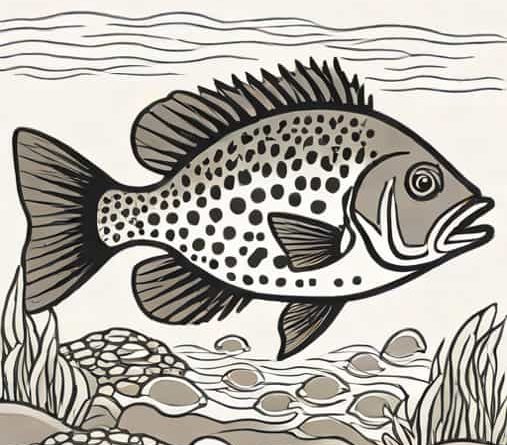
Is A Black Crappie A Tertiary Consumer
The black crappie is a freshwater fish commonly found in lakes, rivers, and reservoirs across North America. Anglers often seek this species for sport and food because of its unique flavor and moderate size. Beyond its popularity in fishing, the black crappie plays an important role in aquatic ecosystems as part of the food web. Understanding the position of the black crappie in the food chain, particularly whether it functions as a tertiary consumer, helps ecologists and enthusiasts alike appreciate its ecological significance and impact on biodiversity. Examining its diet, feeding behavior, and interactions with other species provides insights into its trophic level and ecological role.
Overview of Trophic Levels
In ecological studies, organisms are categorized based on their position in the food chain, known as trophic levels. These levels include producers, primary consumers, secondary consumers, and tertiary consumers. Producers, such as algae and aquatic plants, convert sunlight into energy through photosynthesis. Primary consumers are herbivores that feed on producers. Secondary consumers are carnivores or omnivores that feed on primary consumers, and tertiary consumers feed on secondary consumers, often occupying the top of the food chain. Identifying the trophic level of a species requires examining its feeding habits and the types of prey it consumes.
Characteristics of Tertiary Consumers
Tertiary consumers are typically predators that feed on secondary consumers. They occupy a high position in the food chain and are often apex or near-apex predators in their ecosystems. Key characteristics include
- Diet primarily consists of other carnivores or omnivores.
- Few or no natural predators due to their size or strength.
- Significant influence on population control of prey species.
- Contribution to maintaining ecological balance within the ecosystem.
Diet and Feeding Behavior of Black Crappie
To determine whether the black crappie is a tertiary consumer, it is necessary to analyze its diet and feeding habits. Black crappie are known for their opportunistic feeding behavior, consuming a variety of small aquatic organisms depending on availability. Juvenile black crappies primarily feed on zooplankton, small invertebrates, and insect larvae, while adults expand their diet to include small fish, crustaceans, and other aquatic invertebrates. This varied diet positions the black crappie as a predator within the freshwater food web, although its specific trophic level depends on the type of prey being consumed.
Juvenile Feeding Patterns
Young black crappie rely on microscopic organisms and small aquatic insects for nourishment. By feeding on primary consumers such as zooplankton, juvenile crappie occupy a secondary consumer level in the food chain. During this stage, they are not tertiary consumers because they have not yet started consuming other carnivorous fish or larger secondary consumers.
Adult Feeding Patterns
Adult black crappie have a more diverse diet, often preying on small fish such as minnows, small sunfish, and other aquatic organisms that are secondary consumers. When the black crappie consumes other secondary consumers, it functions as a tertiary consumer. However, its role as a tertiary consumer is situational and depends on the composition of available prey in its habitat. In ecosystems where the prey consists mostly of herbivorous or omnivorous fish, the black crappie may serve as a secondary consumer rather than a tertiary one.
Ecological Role of Black Crappie
The black crappie plays a crucial ecological role in freshwater ecosystems by maintaining population balance among prey species. By preying on small fish and invertebrates, black crappie help regulate the populations of these organisms, preventing overpopulation and depletion of primary producers. This predatory behavior contributes to a balanced aquatic ecosystem and supports biodiversity. Additionally, black crappie serve as prey for larger fish, birds, and other predators, highlighting their position as both predator and prey within the food web.
Impact on Aquatic Food Web
- Regulates populations of smaller fish and invertebrates.
- Maintains balance between primary consumers and producers.
- Provides a food source for apex predators such as largemouth bass, herons, and osprey.
- Supports nutrient cycling by contributing to the energy flow through trophic levels.
Factors Affecting Trophic Level
The trophic level of a black crappie is influenced by factors such as age, habitat, prey availability, and ecosystem dynamics. In environments with abundant small fish, adult crappie are more likely to act as tertiary consumers. In habitats with fewer carnivorous prey, their role may be limited to secondary consumer status. Seasonal changes also affect feeding patterns, with black crappie adjusting their diet based on what is available. Understanding these factors helps ecologists accurately assess their ecological role and determine how they contribute to the food chain.
Habitat Influence
Black crappie thrive in lakes, ponds, and slow-moving rivers with ample vegetation and cover. Habitat characteristics influence prey availability, which in turn affects whether crappie feed on secondary consumers. Clear, vegetated waters with abundant small fish populations are more likely to promote tertiary consumer behavior among adult black crappie.
Age and Size Factors
Size and maturity significantly impact the trophic position of black crappie. Juveniles are too small to consume secondary consumers, placing them lower in the food chain. As crappie grow, their ability to capture larger prey increases, potentially elevating them to tertiary consumer status. Therefore, assessing the trophic level requires consideration of life stage and size distribution within the population.
whether a black crappie is a tertiary consumer depends on several ecological and biological factors. Juvenile crappie primarily act as secondary consumers, feeding on zooplankton and small invertebrates. Adult crappie can function as tertiary consumers when they prey on secondary consumers such as small fish. Their role in the food web is dynamic, influenced by age, habitat, prey availability, and seasonal changes. By regulating populations of smaller organisms and serving as prey for larger predators, black crappie contribute significantly to the balance and health of freshwater ecosystems. Understanding the trophic role of black crappie enhances our knowledge of aquatic food webs and highlights the importance of this species in maintaining biodiversity and ecological stability.