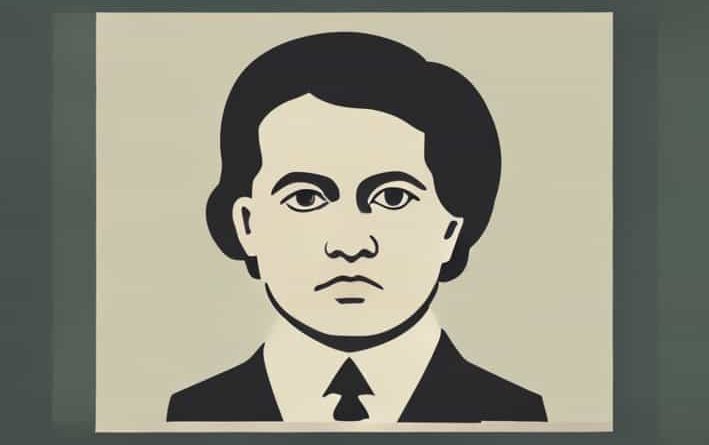
What Happened To Dubcek In April 1969
Alexander Dubček was a prominent Czechoslovak politician who became widely known for his role during the Prague Spring of 1968, a period of political liberalization in Czechoslovakia under his leadership. By April 1969, Dubček’s political career had undergone a dramatic transformation due to the invasion of Czechoslovakia by Warsaw Pact troops in August 1968 and the subsequent period of Normalization imposed by the Soviet Union. Understanding what happened to Dubček in April 1969 requires exploring the political pressures, his removal from power, and the broader context of Czechoslovak history during this turbulent period.
The Political Context Leading to April 1969
Dubček’s rise to power as the First Secretary of the Communist Party of Czechoslovakia in January 1968 marked a turning point for the country. His policies, often described as Socialism with a human face, aimed to introduce reforms such as freedom of the press, relaxation of censorship, economic decentralization, and increased political openness. However, these reforms alarmed the Soviet Union and other Warsaw Pact countries, who feared a weakening of communist control in the Eastern Bloc. The invasion of Czechoslovakia in August 1968 by Soviet, Polish, Bulgarian, and Hungarian forces effectively ended the Prague Spring and forced Dubček to conform to Soviet demands.
Dubček’s Position in Early 1969
After the invasion, Dubček initially retained his position as First Secretary, but his authority was severely curtailed. The Soviets implemented a strategy known as Normalization, which aimed to reverse the reforms of the Prague Spring and restore strict party control. Dubček faced enormous pressure to publicly accept the new restrictions and abandon his liberal policies. By early 1969, he was increasingly isolated politically, with hardline members of the Communist Party plotting to remove him from power and replace him with leaders more loyal to Moscow.
Events of April 1969
April 1969 was a critical month in the process that would eventually lead to Dubček’s demotion. During this time, he was subjected to continued political pressure from both Soviet officials and Czechoslovak party hardliners. Soviet authorities insisted that he conform fully to the Normalization policies and suppress any remaining reformist tendencies. This included curbing freedom of speech, rolling back economic reforms, and maintaining strict control over media and culture.
Pressure from the Communist Party
Within the Czechoslovak Communist Party, Dubček faced growing opposition. Party members who opposed his reformist agenda accused him of being too soft on Western influence and insufficiently loyal to the Soviet Union. Meetings within the party hierarchy in April 1969 were reportedly tense, as hardliners debated how to remove Dubček from his position without causing further unrest. While Dubček still held the title of First Secretary, his ability to influence decisions and policy was sharply diminished.
Soviet Influence and Demotion Plans
The Soviets played a decisive role in April 1969. Moscow demanded that Dubček fully align himself with the policies of the Soviet leadership and eliminate any vestiges of Prague Spring reforms. Soviet envoys visited Czechoslovakia to ensure compliance and reportedly warned Dubček that his position was at risk if he resisted. By this time, discussions were underway about replacing Dubček with Gustáv Husák, a pro-Soviet politician who supported strict adherence to Soviet directives.
Consequences of April 1969
By the end of April 1969, it became clear that Dubček’s position was untenable. His public statements and behavior increasingly reflected his compliance with Soviet demands, but this was not enough to satisfy the party hardliners or Moscow. The political groundwork was laid for his removal, which would occur in April 1969 with his eventual replacement by Husák later in the year. The events of April marked the beginning of Dubček’s political decline, signaling the end of the Prague Spring era.
Personal Impact on Dubček
The political pressures of April 1969 had significant personal effects on Dubček. He faced the humiliation of being forced to abandon the reforms he had championed, while simultaneously navigating threats to his career and reputation. Reports suggest that Dubček struggled with the emotional toll of these events, as he had hoped for a gradual reform of socialism rather than a complete reversal. The loss of political influence and the increasing dominance of hardliners in the Communist Party were deeply challenging for him.
Historical Significance
The events surrounding Dubček in April 1969 are significant in Czechoslovak history because they illustrate the limitations of political reform in a Soviet-dominated Eastern Bloc. His demotion and eventual replacement by Gustáv Husák marked a return to strict party control and the rollback of liberal policies. Dubček’s experience reflects the broader struggle for autonomy and reform within the Eastern Bloc and highlights the complexities faced by leaders attempting to balance domestic desires for freedom with external pressures from the Soviet Union.
Legacy of Dubček
Despite his demotion in 1969, Alexander Dubček remains a symbol of hope and reform in Czechoslovak and Slovak history. The brief period of the Prague Spring demonstrated the possibility of liberalization within a communist framework, and Dubček’s courage in advocating for reforms continues to inspire scholars and political observers. His experience in April 1969 represents a turning point that underscores the challenges of leadership under authoritarian influence.
In April 1969, Alexander Dubček faced immense political pressure that foreshadowed his removal from power. The combination of Soviet demands, internal party opposition, and the rollback of Prague Spring reforms severely curtailed his influence. While he retained the title of First Secretary for a brief period, his authority was largely symbolic, and hardliners were preparing to replace him with a more compliant leader. These events marked the beginning of the end for Dubček’s reformist era, emphasizing the limitations imposed by the Soviet Union and the broader context of Eastern Bloc politics. Today, his struggle in April 1969 is remembered as part of the larger narrative of resistance, reform, and the complex dynamics of power in Cold War Europe.