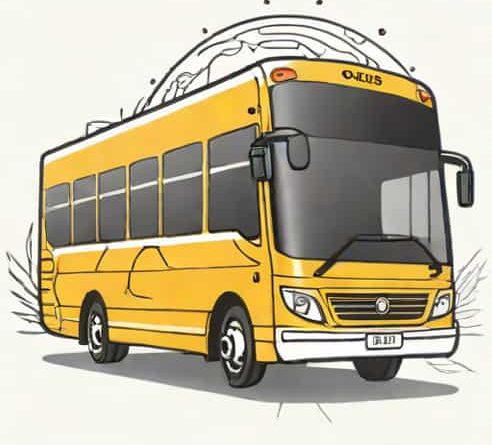
Jai Guru Bus Livery
Jai Guru Bus Livery is a unique and visually striking style of bus decoration that has become increasingly popular in certain regions, particularly in South Asia. Known for its vibrant colors, intricate patterns, and elaborate designs, this type of livery transforms ordinary buses into moving works of art. The livery often includes religious symbols, cultural motifs, and eye-catching graphics that make each bus a reflection of local traditions and artistic expression. For passengers and onlookers alike, riding or seeing a Jai Guru bus is an experience that combines transportation with cultural storytelling. Understanding the origins, design elements, and significance of Jai Guru bus livery helps appreciate its role in local communities and the broader transportation landscape.
Origins of Jai Guru Bus Livery
The Jai Guru bus livery has its roots in traditional art and cultural practices that date back decades. Initially, bus owners began decorating their vehicles as a form of personal expression and as a way to attract more passengers. Over time, this evolved into a more formalized style known for its elaborate aesthetics. The term Jai Guru is often associated with respect for spiritual leaders or teachers, and many buses feature religious slogans, mantras, or symbols as part of the design. This cultural connection adds a deeper layer of meaning beyond mere decoration, creating a sense of identity and pride for both bus operators and communities.
Historical Significance
- Started as a means for bus operators to stand out and attract passengers.
- Reflects regional traditions, spiritual beliefs, and local art styles.
- Serves as a moving representation of cultural pride and creativity.
- Has influenced other modes of transport, such as trucks and auto-rickshaws, to adopt similar designs.
Design Elements and Characteristics
Jai Guru bus livery is defined by its colorful and intricate visual elements. Each bus is unique, often featuring a combination of hand-painted designs, stickers, and digital graphics. The livery includes both decorative and symbolic components, ranging from floral patterns and geometric shapes to depictions of spiritual figures or local icons. This attention to detail makes the buses visually appealing and instantly recognizable, turning daily transportation into an artistic showcase.
Key Design Features
- Bright and contrasting color schemes to capture attention.
- Religious symbols and spiritual quotes integrated into the design.
- Floral, geometric, and abstract patterns that highlight local artistry.
- Reflective materials and embellishments for nighttime visibility.
- Customized graphics, including the bus owner’s personal touch or branding.
Cultural and Spiritual Significance
Beyond aesthetics, Jai Guru bus livery holds cultural and spiritual importance. Many designs incorporate religious symbols, images of deities, or spiritual messages that reflect the values and beliefs of the community. This makes the bus not only a means of transportation but also a mobile cultural artifact. Passengers often feel a sense of connection and pride when riding a bus adorned with familiar symbols, reinforcing cultural identity and tradition.
Impact on Communities
- Encourages local artisans to showcase their skills through vehicle art.
- Promotes cultural awareness among passengers and passersby.
- Strengthens community identity by displaying familiar spiritual symbols.
- Acts as a conversation starter and a tourist attraction in certain regions.
Maintenance and Customization
Maintaining a Jai Guru bus livery requires regular care to preserve its vibrant colors and intricate details. Many bus operators invest in professional painters or skilled artisans to refresh designs periodically. Customization is a significant part of the appeal, as bus owners can incorporate personal or spiritual elements that resonate with their values. This ongoing attention to detail ensures that each bus continues to stand out on busy streets and provides passengers with a visually enriching experience.
Tips for Maintenance
- Regular cleaning to prevent dust and dirt from dulling colors.
- Touch-ups and repainting to maintain the vibrancy of designs.
- Protective coatings to shield paint and decals from weather damage.
- Routine inspection of lighting and reflective elements for safety and visibility.
Economic and Business Aspects
The Jai Guru bus livery is not only an artistic expression but also a business strategy. A well-decorated bus can attract more passengers due to its aesthetic appeal, potentially increasing revenue for operators. Additionally, the livery can serve as a form of branding, helping a particular bus service become recognizable and memorable in competitive markets. Some operators also collaborate with local artists, providing income opportunities and supporting the continuation of traditional art forms.
Business Benefits
- Enhanced visibility and differentiation in crowded transportation markets.
- Increased passenger interest and loyalty due to unique design appeal.
- Opportunities to collaborate with artists and promote local culture.
- Potential for tourism interest and photo opportunities on iconic routes.
Modern Trends in Jai Guru Bus Livery
While traditional hand-painted designs remain popular, modern technologies have influenced the way Jai Guru bus livery is created. Digital printing, vinyl wraps, and graphic design software allow for more precise, durable, and customizable visuals. These advancements complement traditional techniques, ensuring that the livery remains vibrant and eye-catching while reducing maintenance needs. Despite technological innovations, the cultural and spiritual essence of the livery remains intact, preserving its identity and significance.
Technological Innovations
- Vinyl wraps for easier application and removal of designs.
- Digital printing for detailed and intricate patterns.
- Combination of hand-painted elements with modern graphics for unique results.
- LED lighting and reflective accents to enhance nighttime visibility.
Jai Guru bus livery is a fascinating combination of art, culture, and business that transforms ordinary buses into moving symbols of tradition and creativity. Its vibrant colors, intricate designs, and spiritual symbolism offer passengers more than just a ride-they provide a cultural experience. From its historical origins to modern adaptations using technology, the livery continues to evolve while preserving its cultural and aesthetic significance. For bus operators, it serves as both a branding tool and a point of pride, while for passengers and observers, it offers a glimpse into local artistry and spiritual heritage. Whether appreciated for its visual beauty, cultural storytelling, or economic impact, Jai Guru bus livery remains a unique and cherished aspect of transportation culture, demonstrating how functionality and creativity can intersect in everyday life.