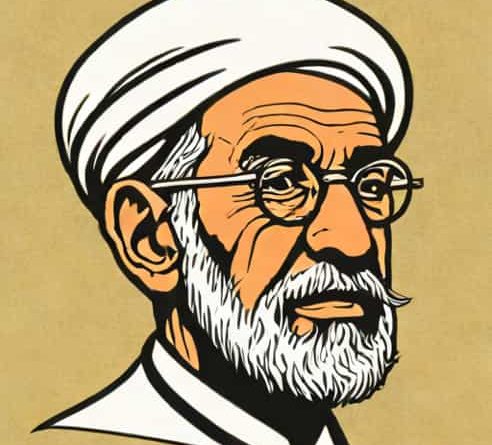
Khan Al Khalili Naguib Mahfouz
Khan al-Khalili by Naguib Mahfouz is one of the most significant literary works to come out of modern Arabic literature. Set against the backdrop of Cairo during World War II, this novel captures the lives, struggles, and dreams of ordinary Egyptians as they navigate social change, war, and personal frustration. Through his masterful storytelling, Mahfouz transforms the historic Khan al-Khalili district into a living symbol of Egyptian identity-a microcosm of Cairo itself. The novel not only reflects the tension of wartime but also delves deeply into the psychological and emotional conflicts of individuals searching for meaning in a rapidly changing world.
About Naguib Mahfouz
Naguib Mahfouz, born in 1911 in Cairo, is widely regarded as one of the greatest writers in Arabic literature. He was the first Arab author to receive the Nobel Prize in Literature in 1988, an honor that recognized his contribution to shaping modern Egyptian fiction. Mahfouz’s writing often focuses on the lives of ordinary Egyptians and the social transformations that took place in the 20th century. His works explore the intersection of politics, religion, and family life, portraying Egypt as a country caught between tradition and modernity.
By the time he wroteKhan al-Khaliliin 1945, Mahfouz had already developed a reputation for his realistic depictions of Cairo’s neighborhoods. This novel represents a turning point in his career, as he moved from historical fiction toward contemporary social realism. The book reflects his growing interest in the psychological depth of his characters and the moral challenges of modern life.
The Setting Khan al-Khalili District
The Khan al-Khalili district in Cairo is one of the oldest and most famous marketplaces in the Arab world. Established in the 14th century, it is a maze of narrow streets, ancient mosques, and bustling shops filled with spices, jewelry, and traditional crafts. But for Naguib Mahfouz, Khan al-Khalili is more than a physical location-it is a symbol of Egyptian society itself. It represents the coexistence of the old and the new, the sacred and the secular, the poor and the middle class.
In the novel, Mahfouz uses the neighborhood as a backdrop for human drama. The characters live and interact in the crowded alleys of Khan al-Khalili, where every conversation, gesture, and emotion is magnified by the proximity of daily life. The marketplace becomes a metaphor for the chaos, beauty, and contradictions of Cairo during a time of global and local upheaval.
Plot Overview
Khan al-Khalilitells the story of Ahmad Akif, a middle-aged civil servant who moves with his family from their home in another part of Cairo to the Khan al-Khalili district. The move is prompted by their desire to escape air raids during World War II, but it also symbolizes a retreat from the modern world into a more traditional environment. Ahmad, a man burdened by self-doubt and a sense of failure, becomes the center of the narrative.
Ahmad’s life is defined by frustration and unfulfilled dreams. He feels trapped in a dull bureaucratic job, unmarried, and overshadowed by his younger brother Rushdi, who is handsome, confident, and full of life. When Rushdi falls ill with tuberculosis and later becomes romantically involved with Nawal, a young woman in the neighborhood, Ahmad experiences a painful mix of jealousy and moral conflict. The novel explores his inner turmoil, his unspoken desires, and his moral rigidity, which prevent him from truly connecting with others.
Major Themes in Khan al-Khalili
1. The Struggle Between Tradition and Modernity
One of the central themes ofKhan al-Khaliliis the tension between traditional values and modern aspirations. Mahfouz portrays a society in transition, where old customs are being challenged by new ideas and lifestyles. Ahmad Akif embodies this conflict. His strict moral code and fear of change contrast sharply with his brother’s modern and liberal approach to life. Through their differences, Mahfouz reflects the broader cultural shifts occurring in Egypt during the 1940s.
2. Alienation and the Search for Meaning
Ahmad’s character represents the alienation of the modern individual. Despite being surrounded by family and neighbors, he feels profoundly lonely. His self-consciousness and fear of failure isolate him from the world. Mahfouz uses Ahmad’s internal monologues to explore existential themes-questions about purpose, identity, and morality in a rapidly changing world. The setting of Khan al-Khalili, with its crowded streets and bustling life, contrasts with Ahmad’s internal emptiness, highlighting his sense of disconnection.
3. Love and Human Vulnerability
Love inKhan al-Khaliliis depicted as both a source of hope and suffering. Ahmad’s unspoken love for Nawal reveals his vulnerability and emotional repression. Unlike his brother, who freely expresses his desires, Ahmad hides behind moral restraint and pride. His inability to act on his feelings becomes a symbol of his larger inability to live fully. Mahfouz uses this emotional struggle to illustrate how fear and social expectations can prevent individuals from achieving happiness.
4. War and Uncertainty
The backdrop of World War II plays a subtle yet significant role in the novel. The air raids and fear of destruction create a constant sense of tension and instability. Mahfouz uses the war as a metaphor for the chaos in Egyptian society and the psychological anxiety of his characters. The conflict serves as both a literal and symbolic presence, influencing the choices and emotions of the people living in Khan al-Khalili.
Symbolism and Literary Style
Mahfouz’s writing style inKhan al-Khalilicombines social realism with psychological depth. His detailed descriptions of Cairo’s streets, homes, and conversations create a vivid sense of place. The novel’s dialogues are natural and full of subtle meaning, reflecting the complexity of human relationships. Through symbolism, Mahfouz enhances the emotional and philosophical dimensions of the story.
- The DistrictRepresents Egypt itself-a blend of tradition, spirituality, and daily struggle.
- Ahmad AkifSymbolizes the moral and intellectual middle class caught between progress and conservatism.
- NawalEmbodies both temptation and innocence, a catalyst for Ahmad’s emotional awakening.
Mahfouz’s careful use of symbolism transforms a simple neighborhood story into a universal reflection on human nature. His ability to make readers empathize with flawed characters is what gives the novel its enduring power.
The Legacy of Khan al-Khalili
Khan al-Khaliliremains one of Naguib Mahfouz’s most celebrated works, not only for its vivid portrayal of Cairo but also for its exploration of human psychology. The novel was later adapted into a film in 1967, further cementing its place in Egyptian cultural history. Its themes of alienation, moral conflict, and societal change continue to resonate with readers around the world.
For many critics, this novel marks the beginning of Mahfouz’s mature phase as a writer. It laid the foundation for his later masterpieces, such asThe Cairo Trilogy, where he expanded on similar themes with even greater depth.Khan al-Khalilicaptures a moment in Egypt’s history when the old world was fading and a new one was struggling to be born-a theme that remains relevant in every era of social transformation.
Naguib Mahfouz’sKhan al-Khaliliis more than a story about a man and his struggles; it is a reflection of an entire society in flux. Through the narrow alleys and busy markets of the Khan al-Khalili district, Mahfouz reveals the complexities of human emotion, the weight of tradition, and the longing for personal fulfillment. His portrayal of Ahmad Akif’s inner conflict speaks to universal themes of loneliness, morality, and the search for meaning in uncertain times. Even decades after its publication, the novel continues to captivate readers with its honesty, depth, and timeless relevance.