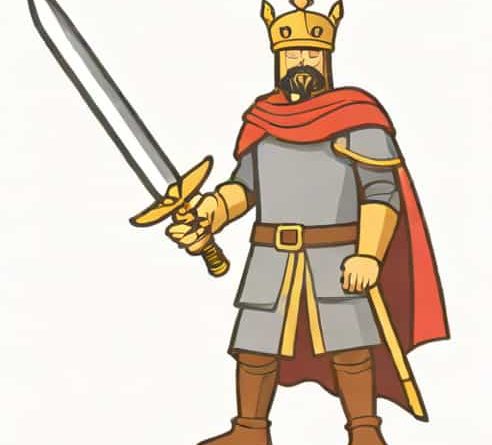
King Arthur Legend Of The Sword
King Arthur Legend of the Sword is a 2017 action-fantasy film that reimagines the classic Arthurian legend with a modern, high-energy approach. Directed by Guy Ritchie, the movie blends epic adventure, stylized combat, and dramatic storytelling to depict the rise of a young King Arthur from the streets of Londinium to the throne of Camelot. Unlike traditional retellings, this film focuses on Arthur’s personal journey, his discovery of the legendary sword Excalibur, and his struggle against his tyrannical uncle, Vortigern. The movie combines historical mythology with fantastical elements, offering audiences a fresh perspective on a timeless story that has fascinated generations.
Plot Overview
The film begins with a young Arthur witnessing the murder of his parents and the seizure of his kingdom by his uncle, Vortigern. As a child, Arthur is forced to survive on the streets, unaware of his royal lineage and destiny. Years later, he grows into a rebellious young man, skilled in thievery and combat but disconnected from his heritage. The discovery of Excalibur, the legendary sword that only the rightful king can wield, sets Arthur on a path to reclaim his kingdom and confront Vortigern’s tyranny. Along the way, he learns about leadership, courage, and the responsibilities that come with power.
Main Characters
- ArthurThe protagonist, a young man unaware of his royal bloodline who discovers his destiny as King of Camelot.
- VortigernArthur’s ambitious and ruthless uncle who has seized the throne through murder and deceit.
- Mary and MaggieArthur’s childhood friends who provide support, guidance, and moral grounding throughout his journey.
- Sir BedivereA loyal knight who aids Arthur in his quest to reclaim the throne and teaches him the ways of leadership.
- MerlinA mystical figure who offers guidance and insight into Arthur’s destiny, blending magic with ancient wisdom.
Thematic Elements
The film explores several key themes that resonate with audiences of all ages. Themes of destiny, courage, and self-discovery are central to Arthur’s journey. Unlike traditional depictions of King Arthur as a noble and unwavering hero, this version emphasizes his flaws, rebellious nature, and the challenges of growing into a leader. Themes of power, betrayal, and redemption are also prevalent, as Arthur must confront both external enemies and internal doubts to fulfill his destiny.
Destiny and Identity
The journey of Arthur is deeply tied to the concept of destiny. The sword Excalibur symbolizes not only his right to rule but also the responsibility and identity he has yet to fully embrace. Arthur’s struggle to accept his royal lineage reflects a universal human theme of self-discovery and realizing one’s potential. His initial reluctance to claim the throne adds depth to the story, making his eventual transformation more compelling.
Power and Corruption
Vortigern represents the dangers of unchecked ambition and corruption. The film examines how power can be misused and how tyranny can disrupt societies. In contrast, Arthur’s growth illustrates that true leadership requires wisdom, empathy, and courage. This conflict between rightful and wrongful rule serves as a central narrative driving both action and emotional tension.
Visual Style and Cinematography
Guy Ritchie’s direction brings a distinct visual flair to the film, blending gritty realism with stylized fantasy. Cinematography plays a crucial role in creating the immersive world of Camelot and Londinium, capturing both the chaos of street life and the grandeur of royal courts. Action sequences are choreographed with fast-paced energy, combining sword fights, parkour-style movement, and cinematic slow-motion to heighten the drama. The color palette emphasizes dark, earthy tones contrasted with bursts of magical light, particularly surrounding Excalibur and mystical events.
Action and Special Effects
The film features elaborate action sequences that blend historical and fantastical elements. Combat scenes highlight Arthur’s skill and agility, while large-scale battles showcase the scope of the conflict between loyalists and Vortigern’s forces. Special effects are used to enhance magical elements, such as the sword’s powers and supernatural interventions, creating a visually dynamic experience. The combination of practical stunts and CGI effects makes the world of the film both tangible and fantastical.
Reception and Critique
King Arthur Legend of the Sword received mixed reviews from critics and audiences. Some praised the film’s action sequences, visual style, and Guy Ritchie’s unique take on the classic tale. Others criticized the film for its complex narrative and over-reliance on CGI, which some felt overshadowed character development. Despite these critiques, the film has garnered a following among fans of fantasy action films, particularly those who appreciate a modern reinterpretation of the Arthurian legend.
Strengths
- Unique and fresh approach to the Arthurian legend.
- Visually impressive action sequences and cinematography.
- Strong performances by the lead actors.
- Blend of historical and fantastical elements that appeal to a wide audience.
Weaknesses
- Complex plot that may be difficult for casual viewers to follow.
- Heavy reliance on CGI can detract from practical storytelling elements.
- Limited character development for supporting roles compared to traditional adaptations.
Historical and Cultural Context
While King Arthur Legend of the Sword takes creative liberties, it draws inspiration from historical and mythological sources. The Arthurian legend has evolved over centuries, with versions appearing in medieval literature, folklore, and modern adaptations. This film emphasizes a darker, grittier vision of Arthur’s rise to power, reflecting contemporary trends in fantasy cinema that favor antiheroes and complex, morally nuanced narratives. The inclusion of historical elements such as medieval armor, architecture, and societal structures grounds the film in a recognizable, albeit stylized, reality.
Modern Interpretation of Legend
Unlike traditional tales that emphasize chivalry and moral perfection, this version portrays Arthur as a flawed but relatable protagonist. His struggles, growth, and eventual acceptance of destiny highlight modern storytelling techniques that focus on personal development and resilience. By balancing myth, history, and action, the film reinvents the legend for a 21st-century audience, while maintaining key symbolic elements like Excalibur, the battle between good and evil, and the concept of rightful leadership.
King Arthur Legend of the Sword offers a bold, visually striking reimagining of one of history’s most enduring legends. With its combination of action, fantasy, and character-driven storytelling, the film presents a fresh perspective on Arthur’s journey from street orphan to legendary king. While opinions on the film’s narrative complexity and heavy CGI use vary, its innovative approach to the Arthurian myth, strong visual style, and dynamic action sequences make it a noteworthy entry in the genre. By focusing on themes of destiny, power, and self-discovery, the film connects with audiences who enjoy epic tales of heroism and adventure, ensuring that the legend of King Arthur continues to captivate new generations.