Lurid Lacquer Nettle And Briar
The phrase lurid lacquer nettle and briar has a mysterious and poetic sound that instantly captures attention. It evokes vivid imagery, combining ideas of beauty and danger, light and darkness, smoothness and sting. Each word in the phrase-lurid, lacquer, nettle, and briar-carries deep symbolic meaning, and together they create an atmosphere that feels both enchanting and unsettling. Whether used in poetry, literature, or artistic description, this combination of words can express complex emotions and contrasting themes of allure and discomfort.
Understanding the Meaning of Each Word
To truly understand the phrase lurid lacquer nettle and briar, it helps to explore the meaning and symbolism of each individual word. Each term contributes to the overall emotional tone, turning the phrase into a rich and layered expression.
Lurid The Color of Intensity and Unease
Lurid often describes something that is vivid, shocking, or glowing in a way that feels unnatural. It can refer to bright, almost garish colors, or to sensational and disturbing imagery. In literature, the word lurid is frequently associated with scenes that are eerie or emotionally charged. It represents a kind of intensity that is both fascinating and discomforting. When paired with lacquer, it suggests something that shines with a captivating, even dangerous beauty.
Lacquer The Gloss of Perfection
Lacquer is a smooth, glossy coating applied to surfaces to create a polished appearance. Symbolically, it represents beauty, concealment, or artificial perfection. It gives the illusion of flawlessness but may hide what lies beneath. In the phrase, lurid lacquer hints at a dazzling yet deceptive exterior-something beautiful on the surface but potentially troubling underneath. The shine is attractive, but the adjective lurid warns that it might be too intense or false to trust.
Nettle The Sting of Reality
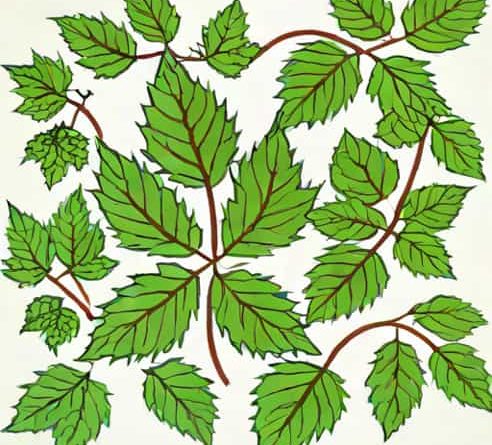
Nettle refers to a plant covered with tiny, stinging hairs that irritate the skin when touched. Metaphorically, it stands for discomfort, challenge, or emotional pain. In literature, nettles often represent harsh truths or life’s unpleasant surprises. When combined with briar, another thorny plant, it creates imagery of struggle and endurance. The nettle adds a physical and emotional edge to the phrase, reminding us that beauty and danger often coexist.
Briar The Thorny Path
Briar typically describes a thorny bush, like a wild rose or bramble. It is often used as a symbol for obstacles, protection, or hidden beauty. In folklore, a briar patch can represent both danger and safety, depending on perspective. When linked with nettle, it suggests a natural but treacherous environment-one that is difficult to navigate yet full of life. Together, nettle and briar form an image of tangled resistance, where pain and beauty intertwine.
The Symbolic Power of the Phrase
When read as a whole, lurid lacquer nettle and briar becomes a poetic blend of contradictions. It speaks to the duality of appearance versus reality, the balance between attraction and pain, and the tension between the artificial and the natural. The lurid lacquer symbolizes human-made beauty or desire, while nettle and briar represent the raw, untamed world that resists control.
This dual imagery is often found in gothic and romantic literature, where beauty often conceals danger and passion walks hand in hand with suffering. The phrase could describe a haunting landscape, a deceptive character, or even the complexities of emotion itself.
Possible Interpretations
- A metaphor for emotional struggleThe lurid lacquer may represent the mask people wear to hide pain, while nettle and briar symbolize the inner turmoil that stings beneath the surface.
- An image of deceptive beautySomething that looks perfect on the outside but causes pain when touched-like a poisonous flower or a toxic relationship.
- A description of nature’s wildnessThe phrase could depict a vividly colored yet hostile landscape, where beauty and danger are inseparable.
Use in Literature and Creative Writing
Writers often use combinations like lurid lacquer nettle and briar to evoke strong sensory and emotional responses. The phrase’s rhythm and imagery lend themselves well to poetry or descriptive prose. For instance, a poet might use it to illustrate the contrast between civilization’s glossy perfection and the harshness of the natural world. A novelist might use it to describe a scene or character whose beauty hides darkness.
Such language appeals to readers’ senses, making them feel the brightness of lurid lacquer and the sting of nettle and briar. It bridges visual and tactile imagery, transforming abstract emotion into something tangible.
Example in a Poetic Context
Imagine the line Through lurid lacquer, nettle, and briar, she walked unflinching. This sentence paints a vivid picture of endurance through difficulty, of confronting deceptive beauty and painful truths. It resonates with emotional depth, showing how language can blend color, touch, and metaphor into a single moment of meaning.
Emotional and Psychological Layers
Psychologically, lurid lacquer nettle and briar can represent the human experience of facing life’s contradictions. Many people present a polished version of themselves-the lacquer-while inside they wrestle with struggles and insecurities-the nettle and briar. The lurid shine draws attention, but the thorns beneath remind us that perfection often comes at a cost.
This phrase can also express the complexity of desire. What attracts us might also harm us, and what seems beautiful might hide pain. In art, music, or literature, this tension is what makes beauty compelling. It’s not just about surface shine-it’s about what lies underneath.
Symbolism in Color and Texture
The word lurid often refers to colors like bright red or sickly green-tones that demand attention but feel slightly unnatural. Lacquer adds a smooth texture, emphasizing appearance. In contrast, nettle and briar suggest roughness, pain, and resistance. These contrasts between smooth and sharp, bright and dark, make the phrase dynamic and emotionally rich. It appeals to both visual and tactile senses, creating an almost cinematic quality in the reader’s imagination.
Cultural and Artistic Resonance
In visual art, a lurid lacquer could represent glossy surfaces or vibrant hues used to depict artificial perfection. In contrast, nettle and briar could appear as organic, chaotic elements-representing nature’s persistence or the emotional truth that lies beneath artifice. The balance between these forces often defines great art the tension between what is shown and what is felt.
In music or film, similar contrasts appear in mood and tone. A visually stunning scene might hide emotional decay, just as a haunting melody might reveal pain behind beauty. The phrase lurid lacquer nettle and briar captures that universal artistic paradox-how beauty and suffering coexist in human experience.
Modern Relevance
Today, this concept still resonates. In the age of social media, people often present carefully polished versions of their lives-the modern lacquer. Yet behind the perfect photos and edited videos, real struggles, represented by nettle and briar, persist. The phrase could therefore serve as a commentary on modern identity, authenticity, and emotional vulnerability.
Lurid lacquer nettle and briar is more than just an arrangement of evocative words-it’s a poetic expression of contrast and truth. It blends beauty with discomfort, artificiality with nature, and surface perfection with hidden pain. Each word enriches the others, creating a vivid and emotionally complex image. Whether read as metaphor, description, or symbol, the phrase captures the essence of human experience we shine, we struggle, and we endure amid both polish and thorns. In this tension lies the heart of all art, emotion, and expression-a delicate dance between the beautiful and the painful, between the lacquer and the briar.