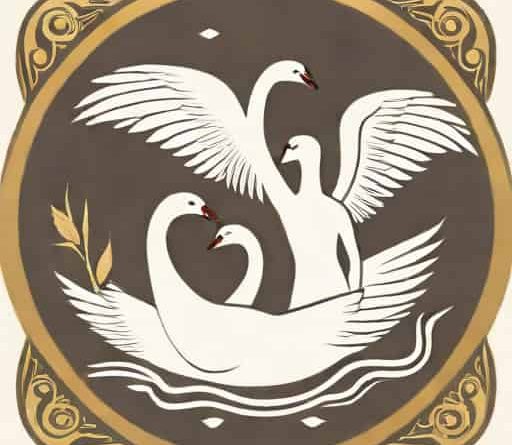
Myth Of Leda And The Swan
The myth of Leda and the Swan is one of the most famous and controversial stories from ancient Greek mythology, capturing themes of power, desire, and transformation. It has fascinated writers, artists, and scholars for centuries because of its complex narrative and symbolic richness. The myth tells the story of Leda, a mortal queen, and Zeus, the king of the gods, who transforms into a swan to seduce or assault her, depending on the interpretation. This story raises questions about divine intervention, consent, and the intersection between human and godly realms. Exploring the myth of Leda and the Swan provides insight into Greek mythology, classical art, and the enduring impact of ancient storytelling on literature and culture.
The Origins of the Myth
The story of Leda and the Swan originates in Greek mythology, where Zeus frequently intervenes in human affairs. Leda was a queen of Sparta, married to King Tyndareus. According to myth, Zeus fell in love with her and transformed into a swan to approach her. Ancient sources differ on whether the encounter was consensual or forced, which has influenced how the myth has been interpreted throughout history.
Classical Sources
Several ancient writers reference Leda and the Swan. Homer makes indirect mentions, while later poets such as Hesiod and Euripides provide more detail. The story also appears in Roman texts, including Ovid’s Metamorphoses, which helped solidify the myth in Western literary tradition. These sources emphasize the divine nature of Zeus and the extraordinary circumstances of the encounter.
Symbolism in Greek Mythology
The myth carries deep symbolic meaning. The swan represents beauty, grace, and transformation, while Zeus’s intervention reflects themes of power, desire, and fate. The story highlights the blurred line between divine beings and humans, illustrating how gods could influence or disrupt mortal lives. The combination of violence, seduction, and metamorphosis makes this myth particularly compelling and morally complex.
The Narrative of Leda and the Swan
The core story begins with Zeus seeing Leda and desiring her. In the form of a swan, he approaches her during a vulnerable moment, often described as resting near a river. The encounter produces offspring who play significant roles in Greek mythology. Depending on the source, the children born from Leda’s union with Zeus include Helen of Troy, Clytemnestra, and Castor and Pollux, known as the Dioscuri. These figures shape many other myths, linking Leda’s story to larger mythological narratives.
Interpretations of the Encounter
The myth has multiple interpretations, reflecting ancient and modern views on gender, consent, and divine power. In some versions, Leda is seduced willingly, emphasizing attraction and destiny. In other versions, the encounter is violent, highlighting the god’s overpowering authority and human vulnerability. These variations have fueled debate and artistic exploration for centuries, showing how myths evolve with cultural values.
The Children of Leda
The offspring of Leda and Zeus play pivotal roles in Greek mythology. Helen of Troy, often called the face that launched a thousand ships, is central to the Trojan War. Clytemnestra becomes a tragic figure in the stories of Agamemnon and the House of Atreus. Castor and Pollux, the Dioscuri, are associated with brotherhood, heroism, and protection. The children’s significance emphasizes how a single myth can influence countless others, creating a web of interconnected stories that define Greek mythology.
Helen of Troy
Helen’s abduction or departure to Troy triggers the famous war, symbolizing beauty, desire, and conflict. Her divine heritage complicates her human experiences, showing how myths explore the tension between fate and free will.
Clytemnestra
Clytemnestra’s life is marked by tragedy and revenge. Her story intersects with themes of power, justice, and family loyalty, demonstrating how the consequences of divine actions ripple through generations.
Castor and Pollux
These twin brothers embody heroism and unity. In some versions, one is mortal and one divine, emphasizing the duality of human and godly traits. Their adventures and eventual placement in the stars as the constellation Gemini show how mythology intertwines narrative, symbolism, and cosmology.
Artistic Representations of the Myth
The myth of Leda and the Swan has inspired countless works of art, from classical vase paintings to Renaissance masterpieces. Artists are drawn to the dramatic and sensual elements of the story, using it to explore beauty, power, and the human form.
Renaissance and Baroque Art
During the Renaissance, painters such as Leonardo da Vinci, Michelangelo, and Correggio created depictions of Leda and the Swan. These artworks often highlight the intimate and erotic aspects of the encounter, focusing on grace, anatomy, and emotion. The Baroque period continued this trend, emphasizing movement and dramatic intensity.
Modern Interpretations
In modern times, artists and writers have revisited the myth to explore themes of consent, gender, and power dynamics. Contemporary adaptations often emphasize Leda’s perspective, questioning traditional narratives that glorify the god’s actions. This reinterpretation reflects evolving cultural values and ethical awareness.
Literary Influence
Beyond visual arts, the myth of Leda and the Swan has influenced poetry, drama, and literature for centuries. Writers use it as a metaphor for transformation, desire, and the consequences of overwhelming power. The story’s layered symbolism allows authors to address complex human emotions and societal issues through mythological storytelling.
Poetic Adaptations
Poets such as William Butler Yeats and Louise Glück have written works inspired by Leda and the Swan. Yeats’s Leda and the Swan focuses on violence and historical consequence, exploring the idea of fate and the birth of new eras. Such poems show how mythology can be a lens for reflecting on history, politics, and personal experience.
Drama and Narrative
The myth has also appeared in plays and novels, often serving as a symbolic reference to transformation, divine intervention, or power dynamics. Writers may reinterpret the story to comment on contemporary social issues, gender relations, or psychological experiences.
The Symbolism and Themes
Several themes emerge from the myth, making it a rich source for artistic and literary exploration. These themes include the intersection of divine and human, the tension between desire and power, and the transformative impact of extraordinary events.
Power and Desire
The myth illustrates the imbalance of power between gods and mortals. Zeus’s ability to change form and assert his will contrasts with Leda’s vulnerability, highlighting themes of desire, control, and moral ambiguity.
Transformation
The swan itself symbolizes transformation and grace. Leda’s encounter leads to the birth of children who change the course of mythology, emphasizing how a single event can have profound consequences.
Fate and Consequence
Leda’s story shows how encounters with the divine shape human destiny. The offspring from the union play pivotal roles in Greek myths, reinforcing the idea that divine actions reverberate through mortal lives and history.
The myth of Leda and the Swan remains a powerful and enduring story from Greek mythology, captivating audiences for its drama, symbolism, and complex themes. From ancient texts to Renaissance art and modern literature, the story continues to inspire reflection on power, transformation, and human vulnerability. By exploring the myth, one gains insight into how ancient narratives address timeless questions about desire, fate, and the consequences of divine intervention. Leda and the Swan is more than a tale of gods and mortalsit is a lens through which culture, art, and human psychology are examined and celebrated across generations.