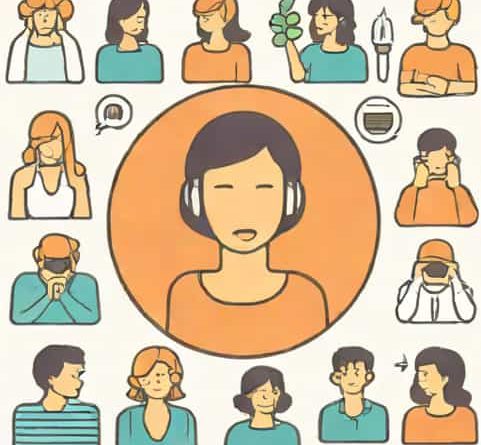
People Who Suffer From Anxiety
Anxiety is one of the most common mental health challenges affecting millions of people worldwide. Individuals who suffer from anxiety often experience persistent feelings of worry, fear, or unease that can interfere with daily life, work, and relationships. Unlike normal stress, which is temporary and situational, anxiety disorders can be chronic and overwhelming, making even simple tasks feel difficult. Understanding the experiences, symptoms, causes, and treatments for people with anxiety is crucial for promoting awareness, reducing stigma, and supporting those who are affected.
Understanding Anxiety
Anxiety is a natural response to perceived threats or danger, but for people who suffer from anxiety disorders, this response is disproportionate or persistent. Anxiety can manifest in various ways, including excessive worry, restlessness, irritability, and difficulty concentrating. Physical symptoms such as rapid heartbeat, sweating, muscle tension, and gastrointestinal issues are also common. Recognizing these signs early can help individuals seek appropriate care and prevent the condition from worsening.
Types of Anxiety Disorders
People who suffer from anxiety may experience different types of anxiety disorders, each with unique characteristics. Some of the most common include
- Generalized Anxiety Disorder (GAD)– Characterized by chronic, excessive worry about various aspects of life.
- Panic Disorder– Marked by sudden, intense episodes of fear known as panic attacks.
- Social Anxiety Disorder– Involves extreme fear of social situations or being judged by others.
- Specific Phobias– Irrational fears of specific objects or situations, such as heights or flying.
- Obsessive-Compulsive Disorder (OCD)– Includes intrusive thoughts and repetitive behaviors aimed at reducing anxiety.
- Post-Traumatic Stress Disorder (PTSD)– Develops after experiencing or witnessing a traumatic event.
Causes and Risk Factors
The causes of anxiety disorders are complex and often involve a combination of genetic, biological, environmental, and psychological factors. People who suffer from anxiety may have
- Genetic predisposition– A family history of anxiety or other mental health disorders can increase susceptibility.
- Brain chemistry– Imbalances in neurotransmitters like serotonin and dopamine can contribute to anxiety symptoms.
- Environmental stressors– Trauma, abuse, financial difficulties, or major life changes can trigger or worsen anxiety.
- Personality traits– People who are perfectionistic, highly sensitive, or prone to negative thinking may be more vulnerable.
Daily Challenges Faced by People with Anxiety
Anxiety affects more than just thoughts; it impacts behavior, physical health, and social interactions. People who suffer from anxiety often face challenges such as
- Difficulty focusing– Persistent worry can make it hard to concentrate on tasks.
- Sleep disturbances– Insomnia or restless sleep is common among those with anxiety disorders.
- Physical exhaustion– Constant tension and stress can lead to fatigue.
- Relationship strain– Anxiety can make communication difficult and increase irritability, affecting personal and professional relationships.
- Avoidance behaviors– Some may avoid situations that trigger anxiety, limiting daily activities and opportunities.
Coping Strategies
While anxiety can be overwhelming, there are various strategies that help people manage their symptoms effectively. Some practical approaches include
- Mindfulness and meditation– Practices that encourage present-moment awareness can reduce stress and intrusive thoughts.
- Regular exercise– Physical activity helps lower stress hormones and improve mood.
- Healthy lifestyle choices– Proper nutrition, hydration, and adequate sleep support emotional resilience.
- Time management and organization– Reducing chaos in daily life can lower anxiety levels.
- Relaxation techniques– Deep breathing, progressive muscle relaxation, and yoga can calm the nervous system.
Professional Treatment Options
People who suffer from anxiety often benefit from professional treatment. Mental health professionals may recommend
- Cognitive-Behavioral Therapy (CBT)– Helps individuals identify and challenge negative thought patterns.
- Exposure therapy– Gradually exposes people to feared situations to reduce avoidance and fear.
- Medication– Antidepressants, anti-anxiety medications, or beta-blockers may be prescribed in certain cases.
- Support groups– Sharing experiences with others facing similar challenges provides emotional support and coping strategies.
Impact on Physical Health
Anxiety does not only affect the mind; it can have serious physical consequences. Chronic anxiety can contribute to high blood pressure, cardiovascular issues, digestive problems, and weakened immune response. People who suffer from anxiety may also be more prone to headaches, muscle pain, and fatigue. Therefore, addressing anxiety is important not only for mental well-being but also for overall physical health.
Social and Workplace Implications
Anxiety can influence social and professional life. People who suffer from anxiety may find networking, public speaking, or team collaboration challenging. Workplace stress can exacerbate symptoms, and without proper support, employees may experience reduced productivity or job satisfaction. Encouraging mental health awareness in professional environments and providing accommodations can significantly improve quality of life for those affected.
Supporting People with Anxiety
Friends, family, and colleagues play a critical role in supporting individuals with anxiety. Some helpful approaches include
- Listening without judgment and validating feelings.
- Encouraging professional help and offering assistance in finding resources.
- Being patient and understanding when anxiety affects behavior or decision-making.
- Promoting healthy coping strategies such as exercise, relaxation, and social engagement.
Breaking the Stigma
Despite its prevalence, anxiety is often misunderstood or stigmatized. People who suffer from anxiety may feel ashamed or reluctant to seek help. Raising awareness, educating the public, and sharing personal stories are essential for reducing stigma and creating a supportive environment. Acceptance and understanding encourage people to seek treatment and manage their symptoms effectively.
People who suffer from anxiety face daily challenges that affect their mental, emotional, and physical well-being. Recognizing the symptoms, understanding the causes, and applying effective coping strategies are crucial for managing this condition. Professional treatment, supportive relationships, and societal awareness all play a vital role in improving the lives of those affected. By fostering compassion, promoting education, and encouraging access to care, we can help individuals with anxiety live fuller, healthier, and more balanced lives.