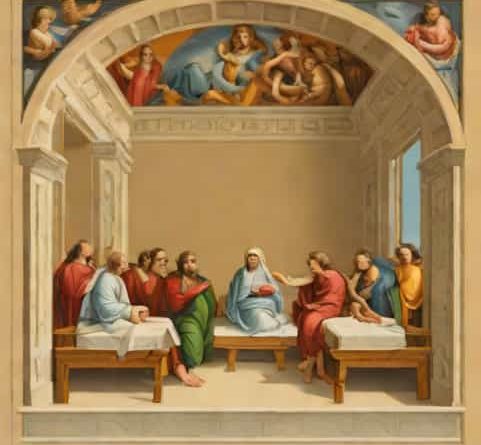
Pictures Of The Sistine Chapel
Pictures of the Sistine Chapel capture the breathtaking artistry and historical significance of one of the most famous religious sites in the world. Located in Vatican City, the Sistine Chapel is renowned for its magnificent frescoes, intricate ceiling designs, and monumental paintings that have inspired generations of artists, scholars, and visitors. These images offer a visual journey through the chapel, showcasing masterpieces by Michelangelo, Botticelli, and other Renaissance artists. For art enthusiasts and travelers alike, pictures of the Sistine Chapel provide an opportunity to appreciate the scale, detail, and spiritual significance of this iconic landmark without stepping inside the Vatican walls.
Historical Background of the Sistine Chapel
The Sistine Chapel was constructed between 1473 and 1481 under the patronage of Pope Sixtus IV, after whom the chapel is named. Pictures of the Sistine Chapel often highlight the chapel’s architectural symmetry, grand dimensions, and the harmonious integration of its artistic elements. Early photographs and modern images alike showcase the chapel as both a sacred space and a visual treasure. These pictures allow viewers to understand how the chapel has served as a center for papal ceremonies and as a canvas for Renaissance artistic genius, bridging art, history, and religion in a single monumental structure.
The Ceiling by Michelangelo
One of the most famous features captured in pictures of the Sistine Chapel is the ceiling painted by Michelangelo between 1508 and 1512. Photographs of this ceiling reveal the iconic scenes from the Book of Genesis, including the Creation of Adam, the Fall of Man, and the Expulsion from Eden. The images highlight Michelangelo’s use of perspective, anatomical precision, and vibrant colors, which together create a sense of depth and movement. For viewers, these pictures offer a close look at details that are difficult to observe from the floor of the chapel, emphasizing the genius of Michelangelo’s composition and the spiritual narrative embedded in each panel.
Other Frescoes and Artistic Details
Pictures of the Sistine Chapel also capture the extensive frescoes along the walls, painted by renowned artists such as Botticelli, Perugino, and Ghirlandaio. These images reveal scenes depicting the lives of Moses and Jesus, forming a visual continuum between the Old and New Testaments. Photographs often focus on individual panels, allowing viewers to appreciate the storytelling, color palette, and intricate details of each scene. Through these pictures, one can study the expressions, gestures, and symbolism that contribute to the chapel’s overall narrative and artistic coherence.
Key Frescoes on the Walls
- The Life of Moses – capturing pivotal moments such as the Ten Commandments and the crossing of the Red Sea.
- The Life of Jesus – depicting events like the Nativity, Baptism, and Crucifixion.
- Papal Portraits – showing successive popes in a series of frescoes that reflect ecclesiastical history.
Artistic Techniques Highlighted in Pictures
Pictures of the Sistine Chapel not only display the subject matter but also emphasize the remarkable techniques employed by Renaissance artists. Photographs showcase Michelangelo’s mastery of foreshortening, chiaroscuro, and anatomical accuracy, which give the figures lifelike qualities. Images also reveal the careful planning of perspective and the use of vibrant pigments that have endured for centuries. For art students and historians, these pictures provide an invaluable resource to study methods that shaped Renaissance art and influenced countless generations of painters and sculptors.
Impact on Art and Culture
Through pictures, the Sistine Chapel has become an enduring symbol of human creativity and spiritual expression. Images of the chapel are used in textbooks, exhibitions, and online platforms to educate people about Renaissance art, religious iconography, and historical context. Photographs highlight both the grandeur of the entire space and the intricate details of individual panels, making the chapel accessible to a global audience. These pictures celebrate the intersection of art, faith, and cultural heritage, underscoring the chapel’s role as a timeless masterpiece that continues to inspire admiration worldwide.
Visiting the Sistine Chapel
Pictures of the Sistine Chapel often guide visitors who plan to experience the space in person. Images illustrate the layout, lighting, and key points of interest, helping tourists navigate and appreciate the chapel fully. Photographs also capture the experience of standing beneath the vast ceiling, offering perspective on the scale and impact of the artwork. By viewing these pictures, potential visitors can gain a deeper understanding of the chapel’s significance, preparing them to engage with both the visual and spiritual aspects of this extraordinary site.
Photography Tips for Visitors
- Focus on wide-angle shots to capture the grandeur of the ceiling and walls.
- Zoom in on specific fresco details to study expressions and gestures.
- Pay attention to lighting to highlight color and texture accurately.
- Use images as a reference for learning about historical and religious contexts.
Pictures of the Sistine Chapel provide an invaluable window into one of the most iconic artistic and religious sites in the world. From Michelangelo’s ceiling to the detailed wall frescoes, each image captures the skill, creativity, and spiritual significance of the chapel. These photographs allow people to appreciate the intricacy and grandeur of Renaissance art, whether studying for academic purposes, planning a visit, or enjoying the visual experience from afar. By exploring these images, viewers gain insight into the history, artistry, and cultural impact of the Sistine Chapel, ensuring that its legacy continues to inspire awe and admiration across generations.