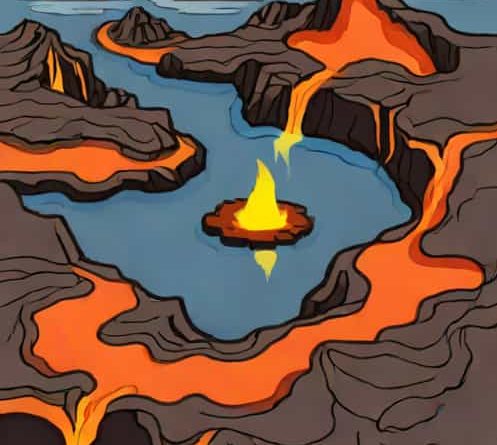
Formation Of Lava Dammed Lakes
Lava dammed lakes are a fascinating natural phenomenon that occurs when flowing lava from a volcanic eruption obstructs a river valley, creating a natural dam that leads to the formation of a lake. These lakes are significant not only for their geological and hydrological features but also for the ecosystems they support and the hazards they can pose to nearby human settlements. The formation process involves complex interactions between volcanic activity, topography, and water flow, resulting in unique landforms that capture the attention of geologists and environmental scientists. Understanding how lava dammed lakes form provides insight into volcanic processes, river dynamics, and landscape evolution over time.
Understanding Lava Flow Dynamics
The formation of a lava dammed lake begins with a volcanic eruption that produces molten rock, or lava, which flows downhill due to gravity. The type of lava, its viscosity, and the slope of the terrain influence how far and fast the lava travels. Basaltic lava, which is low in viscosity, can flow over long distances and spread widely, while more viscous andesitic or rhyolitic lava tends to form thicker, shorter flows. When lava encounters a river valley, it can partially or completely block the river, depending on the volume and thickness of the lava flow. This blockage is the initial step in creating a lava dammed lake.
Topography and River Valleys
River valleys provide natural pathways for lava flows, and their shape and gradient play a crucial role in the formation of lava dams. Narrow valleys with steep sides are more likely to allow lava to accumulate and create a natural barrier, while wider valleys may require larger volumes of lava to achieve the same effect. The underlying geology of the valley also affects the stability of the lava dam. Rocks that are fractured or weak may fail under the weight of the lava, leading to partial dam formation or collapse. Therefore, the topography and geological structure of the valley are key factors in determining whether a lava dammed lake will form and how long it will persist.
Mechanism of Lake Formation
Once the lava flow obstructs a river, water begins to accumulate upstream, forming a lake. The size, depth, and shape of the lake depend on several factors, including the volume of water in the river, the height and permeability of the lava dam, and the surrounding topography. Some lava dammed lakes are relatively small and shallow, while others can grow into large and deep bodies of water. Over time, sediment carried by the river may also accumulate in the lake, altering its characteristics and contributing to the stabilization of the lava dam. The lake may reach a new equilibrium when the inflow of water matches the outflow through seepage, overflow, or breaching of the dam.
Geological Stability and Risks
Lava dammed lakes are often temporary features due to the potential instability of the natural dam. The lava may crack, erode, or collapse, causing sudden flooding downstream. Seismic activity or additional volcanic eruptions can further compromise the integrity of the dam. In some cases, catastrophic failure of a lava dam has resulted in flash floods that can be highly destructive to surrounding communities. Therefore, monitoring and understanding the structural stability of lava dams is essential for assessing the risks associated with these lakes. Scientists study the composition and cooling patterns of lava, as well as hydrological and weather conditions, to predict potential failures and mitigate hazards.
Hydrological and Ecological Impacts
Lava dammed lakes significantly alter the hydrology of river systems. By obstructing the natural flow of water, these lakes can change groundwater levels, affect sediment transport, and modify downstream flow patterns. The creation of a lake can also lead to the development of new wetland ecosystems, providing habitats for fish, birds, and other wildlife. In some regions, these lakes become important sources of freshwater for local communities and agricultural activities. The ecological balance within and around the lake is influenced by water quality, nutrient levels, and temperature, which can vary depending on the depth and surface area of the lake.
Examples of Lava Dammed Lakes
Several lava dammed lakes around the world illustrate the diversity of this geological phenomenon. In the United States, the formation of lakes in the Pacific Northwest is linked to past volcanic activity in the Cascade Range. Similarly, lava dams in Iceland have created temporary and permanent lakes that highlight the interaction between volcanism and river systems. In Africa, volcanic activity in the East African Rift has led to the formation of lava dams and associated lakes, demonstrating how tectonic settings influence volcanic lake formation. These examples provide valuable insights into the processes that govern lava dammed lakes and their long-term evolution.
Long-Term Evolution and Sedimentation
Over time, lava dammed lakes undergo changes that can transform their size, depth, and overall character. Sedimentation from upstream rivers gradually fills the lake, potentially stabilizing the lava dam by adding additional mass and reducing water pressure. Vegetation may establish along the shoreline, further influencing the ecosystem and hydrological balance. In some cases, lakes may eventually breach their natural dams, leading to partial drainage or complete collapse. The interplay of geological, hydrological, and ecological processes shapes the long-term evolution of lava dammed lakes, making them dynamic and complex natural features.
Human Interaction and Management
Human settlements near lava dammed lakes must account for the potential risks associated with unstable natural dams. Engineering solutions, such as controlled spillways or monitoring systems, can help manage water levels and reduce the likelihood of catastrophic failure. In addition, lava dammed lakes may be used for recreational activities, hydroelectric power generation, and irrigation, provided that appropriate safety measures are implemented. Understanding the formation, structure, and behavior of these lakes is essential for balancing the benefits and risks of human interaction with these unique geological features.
The formation of lava dammed lakes is a remarkable example of the interaction between volcanic activity and river dynamics. These lakes emerge when flowing lava obstructs a river valley, leading to the accumulation of water and the creation of a natural reservoir. The process is influenced by lava viscosity, topography, geological stability, and hydrological conditions. While these lakes can provide ecological, recreational, and economic benefits, they also present risks due to the potential instability of the lava dam. By studying lava dammed lakes, scientists gain valuable insights into volcanic processes, river behavior, and landscape evolution. These lakes illustrate the power of natural forces to shape the Earth’s surface and highlight the importance of careful observation and management in regions affected by volcanic activity.