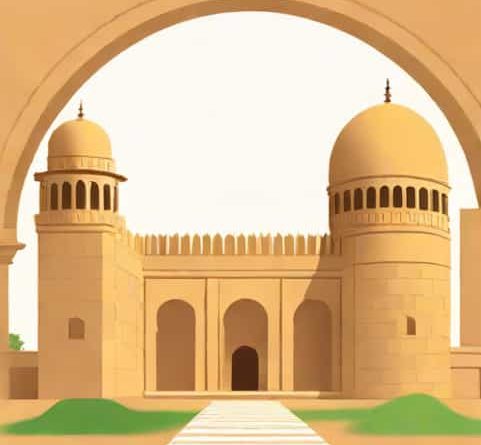
Qutb Ud Din Tomb Is Located In
Qutb-ud-Din Tomb is a remarkable historical site that draws the attention of historians, tourists, and architecture enthusiasts from around the world. Situated in India, this tomb is part of a larger complex that reflects the rich cultural and architectural heritage of the region. Its location, design, and historical significance make it an essential destination for anyone interested in the history of medieval India. The tomb stands as a testimony to the skill of artisans of that era and the importance of commemorating influential historical figures. Visitors often find themselves captivated by both its aesthetic beauty and the stories embedded in its walls, which speak of power, devotion, and architectural brilliance.
Location of Qutb-ud-Din Tomb
The Qutb-ud-Din Tomb is located in Delhi, India, specifically within the Mehrauli area, which is known for its historic significance and ancient monuments. This region has been a key center for rulers and dynasties throughout Indian history. The tomb itself is situated amidst the lush surroundings of the Mehrauli Archaeological Park, which houses several other monuments, including mosques, step wells, and tombs from different periods. Its strategic location in Delhi made it accessible to visitors both in the past and present, allowing it to remain an integral part of the city’s cultural and historical landscape.
Historical Significance
The tomb of Qutb-ud-Din Aibak holds great historical importance. Qutb-ud-Din Aibak was the founder of the Delhi Sultanate and played a pivotal role in establishing Muslim rule in northern India. The tomb was built to honor his contributions to Indian history and his efforts in the early construction of the Qutb Minar, one of Delhi’s most iconic landmarks. The architecture of the tomb reflects the blend of Indo-Islamic design, with intricate carvings and ornamental details that highlight the craftsmanship of the era. Scholars often study the tomb to understand the political, cultural, and architectural developments during the early Delhi Sultanate.
Architectural Features
The Qutb-ud-Din Tomb showcases impressive architectural elements that make it stand out among other monuments of its time. The tomb features a square-shaped structure with high walls and arched entrances, typical of early Islamic architecture in India. The use of red sandstone, along with marble inlays, gives it a distinctive appearance. Intricate geometric patterns and calligraphy decorate the walls, reflecting both the aesthetic sensibilities and religious influences of the period. The tomb is designed to create a sense of grandeur and solemnity, providing a space for reflection and reverence.
Surrounding Monuments
Located in Mehrauli, the tomb is part of a historic landscape that includes many other significant structures. Visitors can explore nearby monuments, which provide a broader understanding of the cultural and historical context of the region. Some notable sites include
- Qutb Minar – A towering minaret that is part of the same historical complex.
- Alai Darwaza – An ornate gateway showcasing Indo-Islamic architecture.
- Iron Pillar of Delhi – Famous for its rust-resistant composition and ancient inscriptions.
- Jamaat Khana Mosque – A mosque built during the early Delhi Sultanate period.
Exploring these monuments alongside Qutb-ud-Din Tomb offers a holistic experience of the architectural and historical richness of Delhi during the 12th and 13th centuries. The proximity of these sites allows visitors to appreciate the continuity of style, technique, and cultural influences across different structures.
Cultural Importance
The tomb is not only a historical site but also a cultural symbol. It reflects the era’s religious practices, commemorative traditions, and the social hierarchy of the time. Qutb-ud-Din Aibak’s tomb serves as a reminder of the Delhi Sultanate’s influence in shaping the culture, politics, and architectural landscape of India. Local communities often regard the site with respect, and it continues to be a place of learning and inspiration for scholars, students, and visitors interested in history and heritage.
Tourism and Visitor Experience
Tourists visiting the Qutb-ud-Din Tomb can enjoy both educational and aesthetic experiences. The monument provides insight into early Islamic architecture in India and the historical context of the Delhi Sultanate. Guided tours are available to help visitors understand the significance of the tomb, its architectural elements, and its connection to other nearby monuments. Photography enthusiasts also find the tomb an appealing subject due to its symmetry, ornate carvings, and the interplay of light and shadow on the stone surfaces. Walking through the tomb and its surroundings offers a serene experience, allowing visitors to connect with history in a tangible way.
Preservation Efforts
Maintaining and preserving the Qutb-ud-Din Tomb is crucial for ensuring that future generations can appreciate its historical and cultural value. Archaeological authorities have undertaken efforts to restore damaged sections, protect the structure from environmental wear, and manage visitor flow to prevent deterioration. Conservation work includes structural reinforcement, cleaning of stone surfaces, and careful documentation of inscriptions and carvings. These efforts highlight the importance of preserving heritage sites and the role they play in educating people about India’s rich past.
Accessibility and Location Advantages
The tomb’s location in Delhi provides several advantages for visitors. Delhi is well-connected by road, metro, and air, making it easily accessible for both domestic and international tourists. The Mehrauli area is also equipped with amenities such as guided tour services, informative signage, and nearby cafes, enhancing the overall visitor experience. Its central location allows tourists to combine a visit to Qutb-ud-Din Tomb with other major attractions in Delhi, making it an integral part of cultural tourism in the city.
Qutb-ud-Din Tomb is a significant landmark located in the historic Mehrauli area of Delhi, India. It stands as a tribute to Qutb-ud-Din Aibak, the founder of the Delhi Sultanate, and reflects the architectural brilliance of its era. Surrounded by other monuments such as the Qutb Minar and Alai Darwaza, the tomb offers visitors an enriching experience of history, culture, and architecture. Its careful preservation ensures that the site remains an enduring symbol of India’s rich heritage, making it a must-visit destination for anyone interested in exploring the historical and cultural landscape of Delhi.