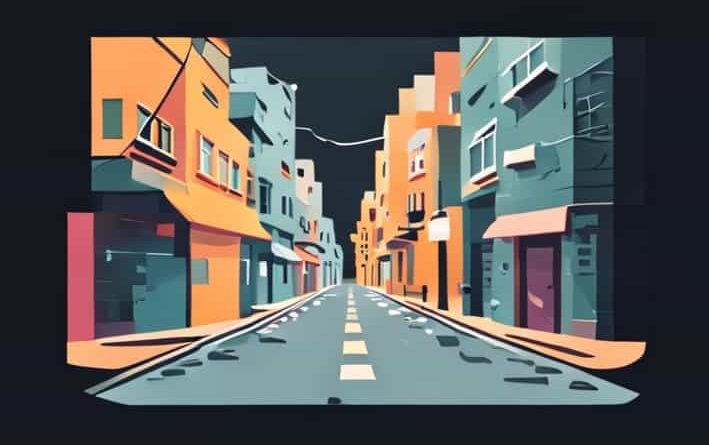
Summary Of The Street That Got Mislaid
The Street That Got Mislaid is a thought-provoking short story that explores themes of memory, nostalgia, and the passage of time through the lens of urban change. The narrative focuses on the idea that familiar places, especially streets and neighborhoods, carry emotional and historical significance for those who inhabit them. When these places disappear, either through urban development, modernization, or simple neglect, people often experience a sense of loss that is both tangible and deeply personal. The story delves into this universal experience, combining rich descriptions of setting with introspective reflections to capture the subtle ways in which the past lingers in the present.
Plot Overview
The story begins with a narrator recalling a street from their childhood, a street that once held lively shops, bustling pedestrians, and a strong sense of community. Over time, the street has changed so much that it is barely recognizable. Buildings have been demolished, businesses have closed, and new constructions have altered the landscape. The narrator describes this transformation with a mix of melancholy and curiosity, reflecting on how memories and physical spaces are intertwined. The mislaid street symbolizes not just a physical location but also the passage of time and the loss of simpler, more familiar days.
Main Characters
- The NarratorThe central voice of the story, providing personal reflections and memories associated with the street.
- Local ResidentsBriefly mentioned characters who once populated the street, contributing to its vibrant life and sense of community.
- Shopkeepers and PassersbyRepresenting the small details of everyday life, which highlight the street’s character and the loss experienced when it changes.
Thematic Analysis
The story is rich in themes that explore both personal and societal dimensions of change. One of the primary themes is the impermanence of human constructs and the inevitability of change. Streets, buildings, and neighborhoods are often taken for granted as constants, yet time and development inevitably reshape them. This theme resonates with readers who have witnessed their own hometowns transform, losing familiar landmarks in the process. The narrator’s reflections serve as a reminder that memory and history are integral to our identity and that preserving them requires conscious effort.
Memory and Nostalgia
Memory and nostalgia play a central role in the story. The narrator frequently compares the present state of the street with their recollections from the past, highlighting both the changes in the physical environment and the personal growth that has occurred over time. Nostalgia is portrayed not as a mere longing for the past but as a lens through which the narrator understands the passage of life and the fleeting nature of certain experiences. The story suggests that while streets can be mislaid, the memories associated with them continue to shape personal identity and cultural heritage.
Urban Change and Modernization
Another important theme is the tension between urban change and cultural preservation. The story implicitly critiques the rapid development that erases historical streetscapes, replacing them with generic constructions that lack character or historical significance. Through detailed descriptions of old buildings, familiar shop signs, and the unique atmosphere of the street, the narrator conveys a sense of mourning for what has been lost. At the same time, the story acknowledges that change is inevitable and that cities must evolve, prompting readers to reflect on how to balance progress with the preservation of cultural memory.
Symbolism in the Story
The mislaid street itself serves as a powerful symbol. It represents the intersection of memory, identity, and physical space. Streets are often associated with personal milestones, social interactions, and everyday routines, making their disappearance symbolic of broader losses. Additionally, the street can be seen as a metaphor for the narrator’s own life journey-familiar paths that once seemed permanent are altered or erased over time. Other symbolic elements include closed shops representing lost livelihoods and demolished buildings symbolizing the erasure of history.
Imagery and Descriptive Techniques
The author uses vivid imagery to evoke the atmosphere of the street and its transformation. Descriptions of cobblestone paths, familiar shopfronts, and the sound of bustling vendors create a sensory experience that brings the past to life. In contrast, descriptions of empty plots, modern high-rise buildings, and quiet streets convey the sense of loss and disorientation that comes with change. This contrast between past and present enhances the emotional impact of the story and emphasizes the theme of impermanence.
Character Reflections and Emotional Resonance
Throughout the story, the narrator’s reflections offer deep emotional resonance. By recounting specific events, interactions, and moments that took place on the street, the narrator conveys how everyday life contributes to a sense of belonging and personal identity. The emotions range from joy and warmth associated with childhood memories to sadness and melancholy as the street changes beyond recognition. These reflections allow readers to connect with the narrator’s experiences and prompt them to consider their own relationships with familiar spaces in their lives.
Community and Social Bonds
The story also emphasizes the importance of community and social bonds. The interactions between neighbors, shopkeepers, and passersby are highlighted as defining features of the street. As these relationships are disrupted or lost due to physical changes in the environment, the narrator mourns not only the disappearance of the street itself but also the erosion of social cohesion. This theme underscores the idea that urban landscapes are more than structures-they are the setting for human connection and shared experience.
Conclusion and Key Takeaways
The Street That Got Mislaid is more than a simple narrative about urban transformation. It is a meditation on memory, loss, and the passage of time, illustrating how physical spaces shape personal and collective identities. The story reminds readers that even as cities evolve and streets disappear, the memories and emotional connections tied to those places remain important. By examining the interplay between nostalgia, change, and community, the story encourages reflection on how we preserve the past while navigating the inevitable transformations of the future. The themes, symbolism, and emotional depth make it a poignant exploration of human attachment to place and the bittersweet nature of progress.
Summary of Key Points
- The story explores the disappearance of a familiar street and the emotional impact on those who remember it.
- Memory and nostalgia are central themes, emphasizing the connection between past experiences and personal identity.
- Urban change and modernization are depicted as inevitable but emotionally challenging processes.
- The mislaid street symbolizes loss, transformation, and the impermanence of human constructs.
- Community and social bonds formed along the street highlight the importance of human connections in shaping the meaning of place.
- Vivid imagery and reflective narration enhance the emotional resonance of the story, allowing readers to relate to universal experiences of change and loss.
final remarkss
By blending descriptive storytelling with reflective insight, The Street That Got Mislaid invites readers to think about their own connections to familiar places. It serves as a reminder that streets, neighborhoods, and cities carry more than physical significance-they are repositories of memory, culture, and human relationships. The story’s thoughtful examination of change, identity, and nostalgia ensures its enduring relevance for anyone who has witnessed the evolution of the places they hold dear.