What Is A Moss Pole
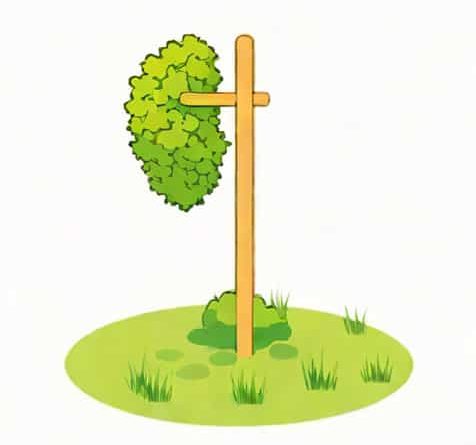
A moss pole is a gardening support structure designed to help climbing plants grow vertically by providing a stable surface for their aerial roots to attach and climb. Typically made from a core of PVC or bamboo wrapped with natural sphagnum moss, moss poles retain moisture and mimic the natural environment that many tropical plants, like Monstera, Philodendron, and Pothos, thrive in. Using a moss pole allows plants to grow taller and fuller while promoting healthier root systems and overall growth. Moss poles are popular among indoor gardeners and plant enthusiasts because they combine functionality with an aesthetically pleasing way to train and support climbing plants.
Understanding Moss Poles
Moss poles function by offering climbing plants a vertical structure that encourages natural growth patterns. Many tropical plants develop aerial roots that, in their native habitats, latch onto trees and other surfaces to reach sunlight. In indoor settings, a moss pole simulates this environment, giving plants a surface to grip while providing additional moisture that encourages root development. Moss poles not only help plants grow upright but also prevent sprawling or untidy growth, making them ideal for maintaining organized and healthy indoor gardens.
Components of a Moss Pole
While moss poles can vary in design, most consist of the following key components
- Core StructureUsually made from sturdy materials such as PVC, bamboo, or wooden stakes to provide stability.
- Moss LayerSphagnum moss or coconut coir wraps around the core, retaining moisture and allowing plant roots to attach.
- Binding MaterialTwine, fishing line, or wire is often used to secure the moss around the core structure.
- Base or StandSome moss poles come with a weighted base or can be inserted directly into plant soil for added support.
Benefits of Using a Moss Pole
Integrating a moss pole into your plant care routine provides several advantages for both the plant and the gardener
- Encourages Vertical GrowthSupports climbing plants to grow upwards rather than spreading horizontally, making better use of space.
- Promotes Healthier RootsAerial roots attach to the moss, increasing nutrient and water absorption and strengthening the plant.
- Improves Aesthetic AppealCreates a clean, organized, and visually attractive display for indoor gardens.
- Simulates Natural EnvironmentMimics the tropical conditions that climbing plants naturally prefer, encouraging vigorous growth.
- Prevents DamageReduces sprawling and tangling of stems, which can stress the plant and create uneven growth.
Types of Moss Poles
There are different types of moss poles suited for various plants and growing conditions. Choosing the right type depends on plant size, desired growth pattern, and aesthetic preferences
- Standard Moss PolesMade with a simple moss wrap over a PVC or bamboo core, ideal for most common climbing plants.
- Expandable or Adjustable PolesCan be lengthened as the plant grows, offering long-term support for tall species.
- Coconut Coir PolesMade from coconut fiber instead of moss, offering a sustainable alternative with similar moisture retention benefits.
- DIY Moss PolesCustom-made using moss, twine, and a wooden or bamboo core, allowing gardeners to create poles tailored to specific plants or decorative preferences.
How to Use a Moss Pole
Using a moss pole effectively involves positioning, attaching the plant, and maintaining proper moisture. Here’s a step-by-step guide
- Insert the PolePlace the moss pole firmly into the plant pot’s soil, close to the main stem but without damaging roots.
- Secure the PlantGently tie stems to the pole using soft plant ties, garden twine, or Velcro strips, ensuring the plant can grow naturally along the pole.
- Maintain MoistureRegularly mist the moss to keep it damp, which encourages aerial roots to attach and absorb water.
- Monitor GrowthAdjust ties as the plant grows and remove any that become restrictive to avoid damage.
- Trim When NecessaryPrune leaves or stems that grow in undesired directions to maintain an organized vertical growth.
Care Tips for Moss Poles
Proper care of moss poles ensures their effectiveness and longevity
- Keep moss moist but not waterlogged to prevent mold growth.
- Check for deterioration of the moss or pole structure and replace or repair as needed.
- Clean the moss periodically to remove dust or debris that can interfere with root attachment.
- Ensure the pole remains stable in the pot, especially as the plant grows taller and heavier.
- Rotate plants occasionally to allow even exposure to light and encourage balanced growth along the pole.
Popular Plants That Benefit from Moss Poles
Many climbing and vining plants thrive when supported by moss poles. Some popular examples include
- Monstera DeliciosaIts aerial roots cling to moss poles, encouraging larger leaf growth and a more upright form.
- Philodendron SpeciesVarious philodendrons, such as Philodendron Brasil or Heartleaf, grow vertically with moss pole support.
- PothosGolden Pothos or Marble Queen benefit from vertical training for fuller, healthier growth.
- SyngoniumArrowhead plants attach aerial roots to moss poles for a lush climbing effect.
- Climbing Ficus or IvyThese plants naturally cling to surfaces and grow better when given vertical support.
A moss pole is an essential tool for indoor gardeners and plant enthusiasts looking to encourage healthy, vertical growth in climbing plants. By providing a supportive structure with moisture-retentive properties, moss poles allow plants to develop aerial roots, grow taller, and maintain an organized appearance. From Monstera to Pothos and Philodendron, many tropical and vining plants benefit from moss pole support, creating a more natural and vibrant indoor garden. Understanding the types, proper usage, and care of moss poles ensures that both the plant and the pole remain healthy, allowing gardeners to enjoy thriving, well-supported plants for years to come.