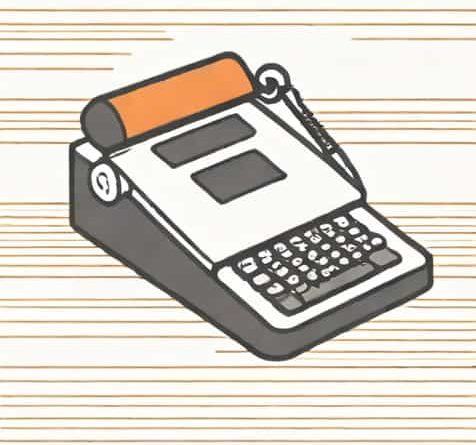
What Is A Stenographic Machine
In many courtrooms, conferences, and professional transcription environments, you may see a small, unusual-looking keyboard that does not resemble a standard typewriter or computer keyboard. This device is called a stenographic machine, and it plays a vital role in capturing spoken words quickly and accurately. Unlike regular keyboards, it is specifically designed for speed, allowing trained stenographers to record speech at the rate people naturally talk, which is often much faster than ordinary typing speeds. Understanding what a stenographic machine is, how it works, and why it matters provides insight into the world of shorthand writing and real-time transcription.
Definition of a Stenographic Machine
A stenographic machine, often called a stenotype machine, is a specialized keyboard device used by court reporters, captioners, and transcription professionals to write in shorthand. Instead of typing one letter at a time, stenographers press multiple keys simultaneously to represent syllables, words, or even full phrases. This unique system makes it possible to capture spoken language at speeds exceeding 200 words per minute, a pace necessary for accurately documenting fast conversations, legal proceedings, or live broadcasts.
How a Stenographic Machine Works
The stenographic machine operates on the principle of chorded writing. This means that instead of pressing single keys like on a computer, the stenographer presses combinations of keys together, creating shorthand outlines that correspond to sounds or words. The machine translates these key combinations into text through specialized software.
The Keyboard Layout
The layout of a stenographic machine is much different from a QWERTY keyboard. It is designed to represent sounds rather than letters
- The left side of the keyboard represents the beginning sounds of words.
- The right side represents the ending sounds.
- The middle section is for vowels.
- Numbers can be entered using specific key combinations.
Real-Time Translation
Modern stenographic machines are connected to computers with software that translates shorthand into readable English instantly. This feature is critical for closed captioning on live television or real-time transcripts in a courtroom.
Applications of Stenographic Machines
Stenographic machines are used in various professional fields where accuracy and speed are essential. Some of the most important applications include
- Court ReportingCourt reporters use stenographic machines to create verbatim transcripts of legal proceedings, ensuring that every spoken word is accurately recorded.
- Closed CaptioningStenographers provide real-time captions for television programs, live events, and broadcasts, helping viewers who are deaf or hard of hearing.
- Transcription ServicesConferences, meetings, and interviews often rely on stenographic machines for accurate, fast transcription.
- Educational AccessIn classrooms, stenographers can provide real-time captioning for students with hearing difficulties.
Advantages of Using a Stenographic Machine
Stenographic machines remain relevant even in the digital age because they provide unique benefits
- They allow transcription at speeds that keep up with natural speech.
- They ensure a high degree of accuracy compared to voice recognition software, especially in noisy environments.
- They provide real-time text output for immediate use in captions or transcripts.
- They are essential for legal records, where accuracy and completeness are legally required.
Training to Use a Stenographic Machine
Operating a stenographic machine requires specialized training and practice. Stenographers typically attend court reporting schools where they learn shorthand theory, keyboard techniques, and speed-building exercises. Reaching professional speed and accuracy can take several years of dedicated study and practice. Certification is often required for professional stenographers, especially in legal settings.
Technology and Modern Developments
While traditional stenographic machines were mechanical, modern devices are electronic and often connected to computers. Some key developments include
- Digital DisplaysMany machines now feature small screens that show text as it is written.
- ConnectivityMachines can connect via USB or Bluetooth to computers and transcription software.
- CustomizationSoftware allows stenographers to create dictionaries for specialized vocabulary in law, medicine, or broadcasting.
- Cloud IntegrationSome modern stenographic systems allow remote transcription or cloud-based storage.
Differences from Regular Keyboards
One of the most striking aspects of a stenographic machine is how different it looks compared to a standard keyboard. While a regular keyboard has more than 100 keys, a stenographic machine usually has fewer than 25. Instead of typing words letter by letter, stenographers press several keys simultaneously to form entire words or phrases, making it much faster and more efficient.
Challenges of Using a Stenographic Machine
Despite their many advantages, stenographic machines also come with challenges
- Learning CurveMastering shorthand theory and reaching professional speed takes significant time and effort.
- CostStenographic machines are more expensive than regular keyboards, and software licenses add to the cost.
- Physical DemandLong hours of stenography can strain the hands and wrists without proper ergonomics.
- Dependence on Skilled OperatorsUnlike voice recognition software, stenographic machines require human expertise to function effectively.
The Future of Stenographic Machines
With the rise of speech-to-text software, some might wonder whether stenographic machines will become obsolete. However, the demand for skilled stenographers remains strong. Voice recognition technology still struggles with accents, multiple speakers, and noisy environments, making stenographic machines more reliable in many contexts. Legal systems and broadcasting industries continue to rely on stenographers for their unmatched accuracy and speed.
A stenographic machine is far more than a specialized keyboard; it is a powerful tool that enables professionals to capture spoken words at remarkable speed and accuracy. By combining shorthand writing systems with modern technology, stenographic machines support essential services such as court reporting, live captioning, and transcription. While they require significant training and investment, their role in ensuring accurate communication and record-keeping cannot be replaced easily. Whether in a courtroom, classroom, or live broadcast, the stenographic machine remains an essential part of how society records and shares spoken information.