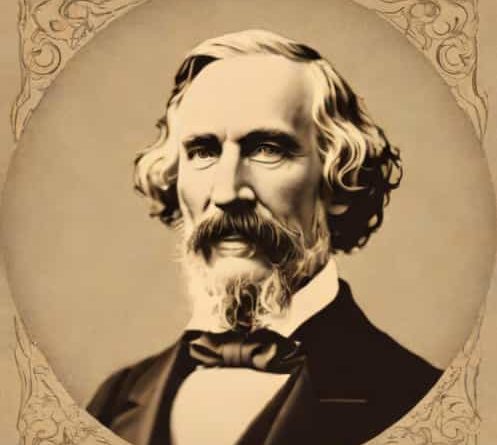
Henry Wadsworth Longfellow Wife
Henry Wadsworth Longfellow, one of America’s most celebrated poets, is known not only for his literary contributions but also for his personal life, including his marriage. His wife, Frances Appleton Longfellow, played a significant role in his life, inspiring many of his works and shaping his emotional world. The story of their relationship is both romantic and tragic, reflecting the joys and sorrows that influenced Longfellow’s poetry. Understanding Frances Appleton’s life, her influence on Longfellow, and the challenges they faced together provides insight into the personal context behind some of America’s most enduring poetry.
Early Life of Frances Appleton
Frances Appleton was born on December 2, 1817, into a prominent Boston family. She was the daughter of Nathan Appleton, a wealthy and influential businessman, and Maria Theresa Gold. Raised in a cultured environment, Frances received a thorough education, including instruction in literature, music, and the arts, which was typical for women of her social standing at the time. She became well-known in Boston society for her intellect, charm, and artistic talents. Her upbringing instilled in her a love for literature and culture, making her a fitting companion for a poet like Longfellow.
Meeting Henry Wadsworth Longfellow
Frances Appleton met Henry Wadsworth Longfellow in the mid-1830s, during a period when Longfellow was establishing himself as a prominent poet and professor. The Appleton family was part of Boston’s social elite, and Frances’ cultured background made her a remarkable match for Longfellow’s literary pursuits. Their courtship was long and filled with careful consideration, reflecting the social expectations and norms of the era. Longfellow, already a dedicated writer, found in Frances not only a romantic partner but also a muse who would influence his poetry and emotional expression.
Marriage and Domestic Life
Henry Wadsworth Longfellow and Frances Appleton married on July 13, 1843. Their union combined literary talent with social prominence, creating a household that valued art, education, and culture. Frances’ intellect and refinement complemented Longfellow’s poetic sensibilities, and their home became a center for literary gatherings and intellectual discourse. They shared a deep emotional bond, and Frances supported Longfellow in his work, offering insights and encouragement that influenced his poetry. The couple’s life together was marked by love, mutual respect, and shared aesthetic values, which are reflected in the tenderness and intimacy present in Longfellow’s writings during this period.
Influence on Longfellow’s Poetry
Frances Appleton’s presence in Longfellow’s life had a profound impact on his poetry. Several of his works contain references to his love and admiration for her, blending personal emotion with literary expression. Her refinement, intelligence, and beauty inspired poems that convey themes of love, devotion, and idealized femininity. Longfellow’s letters to Frances reveal the depth of his affection and the importance of their relationship to his creative process. The emotional and intellectual partnership they shared is evident in the warmth and sensitivity of his poems written during their early years of marriage.
Tragedy and Loss
Their married life, though filled with affection and cultural engagement, was not without hardship. Frances Appleton suffered a tragic death on July 10, 1861, when she accidentally fell in a fire while attempting to retrieve clothing from a stove. Her sudden death deeply affected Longfellow, plunging him into profound grief. This personal tragedy had a lasting impact on his life and work, influencing both the tone and subject matter of his subsequent poetry. The loss of Frances brought themes of mourning, remembrance, and sorrow to the forefront of Longfellow’s literary expression.
Grief Reflected in Poetry
Following Frances’ death, Longfellow’s poetry often reflected his personal sorrow and longing. Poems such as The Cross of Snow are widely believed to have been inspired by his grief for his wife. In this poem, Longfellow captures the enduring nature of loss and the deep emotional imprint left by a loved one. The combination of personal tragedy and poetic expression allowed Longfellow to process his grief while creating works that resonate with universal themes of love and loss. Frances’ memory continued to shape his literary voice, demonstrating the profound and lasting influence she had on his creative life.
Legacy of Frances Appleton Longfellow
Though often remembered primarily in relation to her famous husband, Frances Appleton Longfellow had a significant cultural and social presence in her own right. Her intelligence, refinement, and artistic sensibilities contributed to the intellectual life of Boston and to the literary circle surrounding the Longfellows. She played a crucial role in supporting Longfellow’s work and nurturing his creative talents. Her influence extends beyond her life, preserved in Longfellow’s letters, poems, and the memories of contemporaries who knew the couple. Frances remains a symbol of the intimate partnership and emotional depth that enriched one of America’s greatest poets.
Remembering Frances Appleton
- Her marriage to Longfellow combined literary passion with social prominence.
- She inspired many of Longfellow’s poems, reflecting love, admiration, and idealized femininity.
- Her tragic death deeply influenced Longfellow’s later work, introducing themes of grief and remembrance.
- Frances’ legacy is preserved through Longfellow’s poetry, letters, and cultural memory.
- She remains an enduring figure in the history of American literature and society.
Frances Appleton Longfellow played a pivotal role in the life of Henry Wadsworth Longfellow, not only as his wife but also as a muse, intellectual partner, and source of profound emotional inspiration. Their marriage was marked by love, cultural engagement, and shared aesthetic values, which enriched Longfellow’s poetry and contributed to his lasting literary legacy. The tragic loss of Frances brought grief and sorrow that deeply shaped his subsequent works, leaving an indelible mark on American literature. Understanding the life and influence of Frances Appleton provides a more complete picture of Longfellow’s personal and creative world, highlighting the interplay between love, loss, and artistic expression in one of the nation’s most celebrated poetic lives.