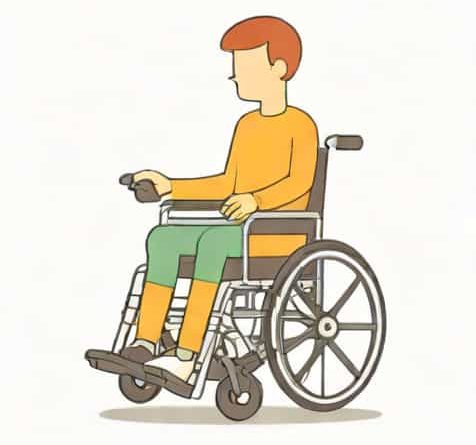
What Is Spastic Cerebral Palsy
Spastic cerebral palsy is the most common type of cerebral palsy, affecting the way muscles move and function due to damage or abnormal development in the brain. For many families, hearing this diagnosis for the first time can be overwhelming, because it raises questions about causes, symptoms, and treatment options. To understand what spastic cerebral palsy really means, it is important to look at how it affects the body, what leads to its development, and the various ways it can be managed to improve quality of life. This topic explores the condition in detail so that parents, caregivers, and individuals can gain a clear and approachable understanding of this condition.
Understanding Spastic Cerebral Palsy
Cerebral palsy is a group of neurological disorders that impact movement, posture, and muscle control. Among its subtypes, spastic cerebral palsy is the most widespread, representing around 70 to 80 percent of all cases. The term spastic refers to the muscle stiffness and tightness that characterize the condition. This happens because the brain has difficulty sending signals to the muscles in a coordinated way, leading to overactive reflexes and abnormal muscle tone. As a result, individuals with spastic cerebral palsy often have difficulties with walking, balance, and fine motor tasks.
Causes and Risk Factors
The exact cause of spastic cerebral palsy can vary, but it is usually linked to brain damage that occurs before, during, or shortly after birth. In some cases, it may result from abnormal brain development in the womb. Common causes and risk factors include
- Lack of oxygen to the brain during labor or delivery.
- Premature birth, which increases the risk of brain injury.
- Infections in the mother during pregnancy, such as rubella or cytomegalovirus.
- Severe jaundice in newborns, which can damage brain cells.
- Genetic mutations that interfere with brain development.
- Traumatic brain injury in infancy or early childhood.
Not all cases of spastic cerebral palsy have a clear cause, but understanding these risk factors can help with early diagnosis and intervention.
Types of Spastic Cerebral Palsy
Spastic cerebral palsy can affect different parts of the body, and its classification depends on which muscles are involved. The main types include
Spastic Diplegia
This form primarily affects the legs, making it difficult to walk or maintain balance. Children with spastic diplegia may walk on their toes or have a scissor-like gait, where the legs cross inward. While the arms may be less affected, muscle stiffness in the lower body creates major challenges with mobility.
Spastic Hemiplegia
Spastic hemiplegia affects one side of the body-either the left or the right. A child with this type may have a weaker arm and leg on the same side, often causing difficulties with coordination, reaching, or walking. Despite the challenges, many individuals with hemiplegia maintain good cognitive function and learn to adapt over time.
Spastic Quadriplegia
This is the most severe form, affecting all four limbs, the trunk, and sometimes facial muscles. People with spastic quadriplegia may struggle with speech, swallowing, and mobility. Because of the extent of motor involvement, they may also face challenges with daily living activities and require significant support.
Signs and Symptoms
Recognizing the symptoms of spastic cerebral palsy early is crucial for proper treatment. The signs can vary depending on the severity and type but often include
- Stiff or tight muscles that limit movement.
- Overactive reflexes, leading to jerky motions.
- Difficulty with walking, often seen as toe-walking or scissoring of the legs.
- Trouble with fine motor skills, such as writing, grasping objects, or feeding oneself.
- Speech difficulties due to tightness in facial muscles.
- Challenges with posture and balance.
In some cases, spastic cerebral palsy may also be associated with seizures, learning disabilities, or vision and hearing problems, although these vary widely among individuals.
Diagnosis of Spastic Cerebral Palsy
Doctors typically diagnose spastic cerebral palsy within the first few years of life. The process often includes
- Developmental MonitoringChecking if the child is meeting expected milestones, such as crawling, walking, and speaking.
- Medical ImagingMRI or CT scans to detect abnormalities in the brain structure.
- Physical ExaminationsAssessing muscle tone, reflexes, and motor skills.
- Genetic and Metabolic TestsConducted in some cases to rule out other conditions with similar symptoms.
Early diagnosis allows families to begin therapies that can significantly improve long-term outcomes.
Treatment Options
Although there is no cure for spastic cerebral palsy, a wide range of treatments can help manage symptoms and improve independence. Treatment plans are usually tailored to each individual and may include
Physical Therapy
Physical therapy is often the cornerstone of treatment. Exercises help stretch tight muscles, improve flexibility, and build strength. Therapists also teach mobility techniques and may recommend orthotic devices to support walking.
Occupational Therapy
This therapy focuses on daily living skills, such as eating, dressing, and writing. Occupational therapists often provide adaptive tools that make everyday tasks easier for children and adults with spastic cerebral palsy.
Speech and Language Therapy
When facial and oral muscles are affected, speech therapy can help improve communication and swallowing abilities. Augmentative communication devices are also available for individuals who have significant speech difficulties.
Medications
Doctors may prescribe muscle relaxants or medications such as baclofen to reduce stiffness and spasms. In some cases, botulinum toxin injections are used to target specific muscles.
Surgical Interventions
For severe cases, surgery may be recommended. Options include orthopedic procedures to correct bone and joint issues or selective dorsal rhizotomy, a surgery that reduces muscle stiffness by targeting overactive nerves in the spine.
Living with Spastic Cerebral Palsy
Life with spastic cerebral palsy can present challenges, but with the right support, individuals can thrive. Many people with this condition attend school, pursue careers, and enjoy fulfilling lives. Social support, adaptive equipment, and educational resources all play important roles in ensuring independence and confidence.
Families often find that connecting with support groups and healthcare professionals helps them navigate the journey. With consistent therapy and medical care, children with spastic cerebral palsy often achieve significant improvements in mobility and daily functioning.
Prognosis and Outlook
The prognosis for individuals with spastic cerebral palsy depends on the severity of symptoms. Those with mild forms may only need occasional therapy and can lead independent lives, while those with severe quadriplegia may require lifelong assistance. Importantly, cerebral palsy itself is not progressive-the brain injury does not worsen over time. However, without proper management, muscle stiffness and joint problems can increase, making ongoing treatment essential.
Spastic cerebral palsy is a complex neurological condition that primarily affects muscle tone, coordination, and movement. While it cannot be cured, a combination of therapies, medications, and supportive interventions can greatly improve quality of life. Understanding the causes, symptoms, and treatment options helps families and individuals feel more prepared to manage the condition. By focusing on early intervention and comprehensive care, those affected by spastic cerebral palsy can build strength, independence, and resilience for the future.