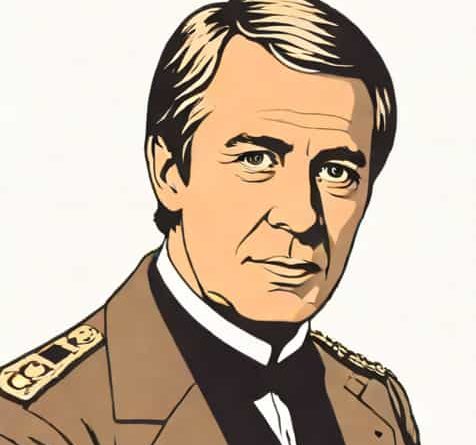
When Did Franco Zeffirelli Die
Franco Zeffirelli was an Italian director and producer whose work left an indelible mark on both cinema and opera. Renowned for his visually stunning adaptations of classical works and Shakespearean plays, Zeffirelli combined meticulous attention to detail with an extraordinary sense of dramatic storytelling. His films and stage productions are celebrated worldwide for their artistic richness and emotional depth. Understanding when Franco Zeffirelli died helps contextualize his remarkable career and the legacy he left behind, which continues to influence filmmakers, theater directors, and audiences around the globe.
Early Life and Career Beginnings
Franco Zeffirelli was born on February 12, 1923, in Florence, Italy. From a young age, he showed an exceptional talent for art, design, and storytelling, which eventually led him to the world of theater and film. His early experiences included working as an assistant director in Italian cinema, studying acting, and developing a keen eye for visual composition. These formative years shaped his future career, where he would become known for creating productions with lavish sets, intricate costumes, and a deep sense of atmosphere.
Rise to International Fame
- Romeo and Juliet (1968)Zeffirelli gained international acclaim with this film adaptation of Shakespeare’s tragedy. His innovative use of young actors and authentic settings brought a fresh perspective to the classic story.
- The Taming of the Shrew (1967)This adaptation of another Shakespearean play showcased Zeffirelli’s ability to blend humor, romance, and visual spectacle in a compelling manner.
- Opera ProductionsBeyond cinema, Zeffirelli was renowned for directing operas, including productions ofLa TraviataandTosca, admired for their dramatic intensity and visual splendor.
Major Achievements and Recognition
Throughout his career, Zeffirelli earned widespread recognition for his contributions to both film and theater. His distinctive style combined classical storytelling with cinematic flair, earning him numerous awards and accolades. He also played a significant role in bringing Italian culture and classical works to international audiences, solidifying his reputation as a masterful storyteller.
Film and Theater Contributions
- Adaptations of Shakespearean works that combined historical authenticity with emotional realism.
- Lavish opera productions known for their visual grandeur and meticulous attention to costume and set design.
- Television miniseries, including adaptations of epic novels, which brought classic literature to broader audiences.
- Mentorship and collaboration with actors and designers, fostering a new generation of talent in both film and theater.
When Did Franco Zeffirelli Die?
Franco Zeffirelli died on June 15, 2019, at the age of 96. He passed away in Rome, Italy, leaving behind a legacy that spans decades of remarkable artistic achievements. His death marked the end of an era in both Italian cinema and international theater, as he was one of the last surviving directors of a generation known for its dedication to classical storytelling and visual grandeur. News of Zeffirelli’s death prompted tributes from actors, directors, and audiences worldwide, reflecting the profound impact of his work on the arts.
Circumstances Surrounding His Death
Zeffirelli’s death followed a long and productive life dedicated to the arts. While details of his final days were kept private, it is widely recognized that he passed peacefully, leaving behind a rich body of work. Tributes highlighted not only his professional accomplishments but also his personal charm, vision, and dedication to cultural preservation. His death was mourned in Italy and internationally, with many reflecting on the timeless quality of his films and operatic productions.
Legacy in Film and Opera
Understanding when Franco Zeffirelli died allows us to fully appreciate the scope of his legacy. His innovative cinematic techniques, attention to period detail, and ability to evoke emotion through visual storytelling influenced countless filmmakers and theater directors. Zeffirelli’s operatic productions, with their grandiose sets and costumes, remain benchmarks in opera direction, inspiring future generations to merge visual spectacle with compelling performances.
Influence on Cinema
- Pioneered realistic and youthful casting in Shakespeare adaptations, creating more authentic portrayals of classic characters.
- Integrated elaborate set designs and authentic locations to enhance the storytelling experience.
- Blended theatrical techniques with cinematic methods, bridging the gap between stage and screen.
- Continued to mentor and inspire actors and directors who sought to emulate his attention to detail and passion for storytelling.
Influence on Opera and Theater
- Revolutionized opera productions with visually stunning sets, lighting, and costumes.
- Enhanced audience engagement by combining dramatic intensity with visual beauty.
- Directed notable productions in prestigious opera houses, including La Scala and the Metropolitan Opera.
- Contributed to the preservation and global appreciation of classical European operatic traditions.
Honors and Recognition
Franco Zeffirelli received numerous awards and honors throughout his lifetime, celebrating his artistic achievements and cultural contributions. These accolades reflect both his mastery of the cinematic and theatrical arts and his influence on audiences and colleagues alike.
- Multiple Academy Award nominations for Best Director and Best Art Direction.
- Golden Globe Awards recognizing his excellence in filmmaking.
- Italian government honors acknowledging his contribution to national culture.
- Tributes from international arts institutions for his lifelong dedication to cinema and opera.
Franco Zeffirelli died on June 15, 2019, closing the chapter on a nearly century-long life devoted to the arts. His passing marked the end of a career that spanned film, theater, and opera, leaving behind an unparalleled legacy. Zeffirelli’s influence is evident in the countless productions inspired by his techniques, his meticulous attention to visual detail, and his ability to bring classical stories to life for modern audiences. His death serves as a reminder of the lasting impact one visionary artist can have on global culture, and his works continue to captivate, educate, and inspire audiences around the world.