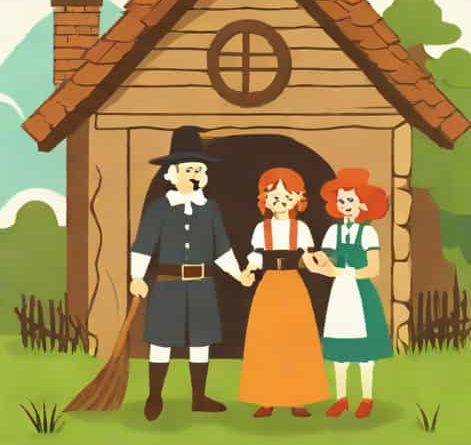
Witch Hunter Hansel And Gretel
The story of Hansel and Gretel has fascinated audiences for generations, originating as a classic fairy tale but evolving over time into various adaptations, including films, books, and games. One particularly interesting twist on the traditional narrative is the concept of Hansel and Gretel as witch hunters, a reimagining that transforms the siblings from innocent children into formidable warriors who take on dark and sinister forces. This version retains the core elements of the original story, such as the enchanted forest and the witch’s candy-covered house, but amplifies the stakes and introduces new layers of adventure, horror, and heroism. The tale now combines fantasy, action, and suspense, appealing to modern audiences who enjoy thrilling reinterpretations of classic fairy tales.
The Transformation from Fairy Tale to Action Fantasy
In traditional folklore, Hansel and Gretel are portrayed as vulnerable children navigating a dangerous world, relying on cleverness to survive. However, in the witch hunter adaptation, the siblings are grown, battle-hardened heroes trained in combat and strategy. Their tragic past, which includes surviving the evil witch who attempted to eat them, fuels their determination to protect others from similar fates. This transformation underscores themes of empowerment and justice, turning a simple tale of survival into a story of vigilant heroism. Audiences are drawn to this reinterpretation because it combines familiar elements with fresh action-driven narratives.
The Setting Dark Forests and Enchanted Worlds
The setting of the witch hunter adaptation is both familiar and terrifying. The forest remains a central motif, representing danger, mystery, and the unknown. Unlike the light, storybook forests of the original fairy tale, this version is dark, foreboding, and teeming with magical threats. Twisted trees, hidden traps, and supernatural creatures populate the environment, creating a visually and emotionally engaging world. The enchanted landscapes not only challenge Hansel and Gretel physically but also psychologically, testing their courage, intelligence, and resolve.
Character Development and Motivation
Character development plays a crucial role in the witch hunter adaptation. Hansel, once clever and resourceful, evolves into a disciplined and relentless fighter, channeling his past trauma into focused skill and determination. Gretel, meanwhile, becomes equally formidable, combining intelligence, agility, and magical knowledge to combat evil forces. Their dynamic as siblings who support and challenge each other adds emotional depth to the narrative. The story emphasizes loyalty, bravery, and the moral responsibility to confront evil, making their journey resonate on both personal and heroic levels.
Training and Weaponry
Unlike the original tale where survival relied on wit, the witch hunter adaptation highlights training and specialized weaponry. Hansel and Gretel are equipped with swords, crossbows, and enchanted tools designed to counter witches’ magic. Their training often includes martial arts, tactical planning, and magical countermeasures. This element adds realism to their combat abilities while enhancing the story’s excitement and appeal to audiences who enjoy action-oriented fantasy narratives. The combination of skill, strategy, and supernatural elements creates a compelling blend that keeps readers and viewers engaged.
The Villain The Witch Reimagined
The witch, a central figure in the original story, undergoes significant reimagining in this adaptation. Rather than a one-dimensional antagonist, she becomes a complex and formidable foe with dark powers, intelligence, and a sinister agenda. Her magical abilities and cunning strategies pose a constant threat to Hansel and Gretel, creating tension and suspense throughout the narrative. This modernization of the witch elevates the stakes and provides a worthy challenge for the protagonists, making their victories more satisfying and their struggles more meaningful.
Psychological Themes
Beyond the action and fantasy elements, the witch hunter adaptation explores deeper psychological themes. Trauma, revenge, and the moral ambiguity of vigilantism are central to the narrative. Hansel and Gretel’s experiences with past horrors influence their decisions and interactions, raising questions about justice, forgiveness, and the cost of fighting evil. These themes resonate with audiences who appreciate stories that combine thrilling action with complex emotional and ethical dimensions. By addressing these psychological aspects, the adaptation adds layers of depth absent from the original fairy tale.
Impact on Popular Culture
The concept of Hansel and Gretel as witch hunters has had a noticeable impact on popular culture. Movies, graphic novels, and video games have embraced this reinterpretation, offering diverse visual and narrative experiences. Films often emphasize dark, gothic aesthetics combined with intense combat scenes, while books and comics delve deeper into character development and world-building. Video games provide interactive experiences, allowing players to step into the roles of Hansel and Gretel, confront witches, and explore enchanted forests. This expansion across media has reinforced the story’s relevance and adaptability, demonstrating the enduring appeal of reimagining classic tales for contemporary audiences.
Merchandising and Fan Engagement
Alongside narrative adaptations, the witch hunter concept has spurred merchandising and fan engagement. Action figures, cosplay costumes, and collectibles bring the characters to life beyond the page or screen. Online fan communities discuss strategies, storylines, and creative interpretations, keeping the story alive and evolving. The blend of traditional folklore with modern action-fantasy elements has created a robust and dedicated fanbase that appreciates both the nostalgia of the original tale and the excitement of the reimagined adventures.
The Balance of Tradition and Innovation
One of the most compelling aspects of the witch hunter adaptation is its balance of tradition and innovation. While Hansel and Gretel retain their essential identities and the story preserves key motifs such as the witch’s house and the forest, the narrative introduces new elements that align with contemporary storytelling trends. This balance allows the story to honor its roots while appealing to modern audiences who enjoy suspense, fantasy, and action. By maintaining this equilibrium, the adaptation ensures that the story remains accessible and engaging, bridging generations of readers and viewers.
Educational and Ethical Lessons
Even with its darker, action-oriented twist, the witch hunter adaptation retains important educational and ethical lessons. Themes of courage, resourcefulness, and moral responsibility remain central, encouraging audiences to consider the consequences of actions and the importance of standing up against evil. By combining entertainment with ethical reflection, the story provides a multidimensional experience that goes beyond mere spectacle. It reinforces the enduring power of fairy tales to teach, inspire, and provoke thought, even in modernized versions.
The witch hunter adaptation of Hansel and Gretel offers a thrilling reimagining of a beloved classic. Transforming the siblings into empowered warriors who confront dark magical forces, the story combines elements of fantasy, action, and psychological depth. Dark forests, enchanted weaponry, and a complex villain enhance the narrative, while themes of trauma, justice, and moral responsibility add emotional and ethical resonance. Across movies, books, and games, this reinterpretation has influenced popular culture, engaged fans, and demonstrated the flexibility of fairy tales to evolve with changing audiences. By blending tradition with innovation, the witch hunter Hansel and Gretel story captivates modern readers and viewers while preserving the timeless essence of the original tale, proving that even centuries-old stories can be revitalized with creativity, courage, and imagination.