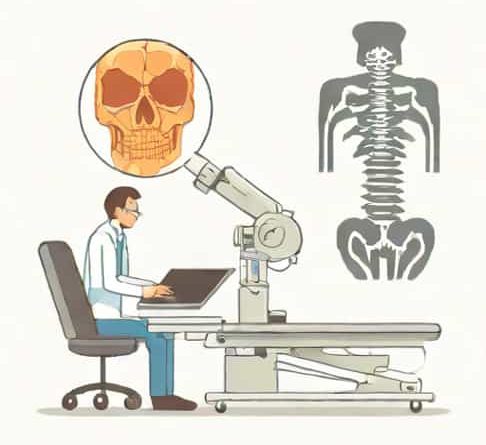
X Ray Tech Vs Radiologist Requirements
Choosing a career in medical imaging often involves understanding the differences between an X-ray tech and a radiologist. While both roles work closely with diagnostic imaging, the requirements, responsibilities, and educational pathways are quite distinct. Many aspiring healthcare professionals wonder what it takes to become an X-ray tech versus a radiologist, and how these careers compare in terms of education, licensing, and day-to-day duties. Understanding these differences can help individuals make informed career decisions in the medical imaging field.
Understanding the Role of an X-Ray Tech
An X-ray tech, also known as a radiologic technologist, is responsible for operating imaging equipment to create diagnostic images of patients. These images are used by physicians, particularly radiologists, to diagnose and treat medical conditions. X-ray techs work closely with patients, ensuring their safety and comfort during imaging procedures.
Daily Responsibilities of an X-Ray Tech
The primary responsibilities of an X-ray tech include
- Operating X-ray machines and other imaging equipment.
- Positioning patients correctly to capture accurate images.
- Ensuring radiation safety by using protective measures.
- Maintaining imaging equipment and reporting malfunctions.
- Communicating with radiologists and other healthcare staff regarding imaging results.
X-ray techs may also perform other imaging techniques such as CT scans or mammography, depending on their training and certifications.
Educational Requirements for X-Ray Techs
To become an X-ray tech, individuals typically need to complete an accredited program in radiologic technology. This can range from an associate degree to a bachelor’s degree, with most professionals starting with an associate degree.
Certification and Licensing
After completing an educational program, X-ray techs are usually required to pass a certification exam administered by the American Registry of Radiologic Technologists (ARRT). Certification ensures that the technologist meets national standards for competency and safety. Many states also require licensing, which may involve additional exams or continuing education requirements.
Understanding the Role of a Radiologist
A radiologist is a medical doctor who specializes in interpreting medical images, diagnosing diseases, and guiding treatment plans. Radiologists rely on imaging results provided by X-ray techs and other imaging professionals, using their medical expertise to make critical decisions about patient care.
Daily Responsibilities of a Radiologist
The responsibilities of a radiologist include
- Analyzing X-rays, CT scans, MRIs, and other imaging results.
- Diagnosing conditions such as fractures, tumors, or internal injuries.
- Consulting with other physicians regarding patient treatment plans.
- Performing interventional procedures, such as image-guided biopsies or treatments.
- Maintaining patient records and staying updated with medical research.
Radiologists often work in hospitals, diagnostic imaging centers, or private practices, interpreting large volumes of images daily and providing expert recommendations.
Educational Requirements for Radiologists
The path to becoming a radiologist is extensive and rigorous. It begins with completing a bachelor’s degree, usually with a strong emphasis on pre-medical courses such as biology, chemistry, and physics. After undergraduate studies, aspiring radiologists must attend medical school, earning a Doctor of Medicine (MD) or Doctor of Osteopathic Medicine (DO) degree.
Residency and Fellowship
Following medical school, radiologists enter a residency program in radiology, which typically lasts four to five years. This provides hands-on training in various imaging modalities, patient care, and diagnostic interpretation. Many radiologists also complete a fellowship in a subspecialty such as interventional radiology, neuroradiology, or pediatric radiology, which can add one to two years of specialized training.
Licensing and Board Certification
Radiologists must obtain a medical license to practice medicine in their state, which involves passing exams such as the United States Medical Licensing Examination (USMLE). Board certification in radiology, administered by organizations like the American Board of Radiology (ABR), further validates a radiologist’s expertise and is often required for hospital privileges.
Key Differences Between X-Ray Techs and Radiologists
While both X-ray techs and radiologists work with imaging technology, several key differences define their roles and requirements.
Education and Training
- X-ray techs Typically require an associate or bachelor’s degree in radiologic technology, plus certification and state licensure.
- Radiologists Require a bachelor’s degree, medical school, a multi-year residency, and often a fellowship, along with medical licensing and board certification.
Scope of Practice
- X-ray techs Focus on operating imaging equipment and ensuring high-quality images are captured safely.
- Radiologists Interpret images, diagnose conditions, and guide patient treatment plans based on findings.
Patient Interaction
- X-ray techs Have direct patient contact, positioning patients, explaining procedures, and addressing concerns.
- Radiologists Typically have less direct patient contact, focusing on image analysis and consulting with other healthcare providers.
Career Outlook and Salary Comparison
The career outlook for both X-ray techs and radiologists is strong due to the increasing demand for medical imaging services. However, there are significant differences in salary and advancement potential.
X-Ray Tech Salary and Job Growth
X-ray techs earn a median annual salary that varies by location and experience, generally ranging from $50,000 to $70,000. The demand for radiologic technologists is expected to grow as healthcare facilities continue to expand imaging services.
Radiologist Salary and Job Growth
Radiologists, as medical doctors, earn significantly higher salaries, often exceeding $300,000 annually, depending on specialization and location. The growth rate for radiologists is steady, supported by technological advancements and the ongoing need for expert diagnostic interpretation.
Choosing Between the Two Careers
Deciding between becoming an X-ray tech or a radiologist depends on several factors, including time commitment, educational investment, and desired responsibilities. Those who prefer patient interaction, shorter educational pathways, and hands-on technical work may choose X-ray technology. Individuals interested in medical decision-making, higher earning potential, and extensive medical training may pursue radiology.
Understanding the differences in requirements between an X-ray tech and a radiologist is essential for anyone considering a career in medical imaging. X-ray techs require specialized technical training, certification, and licensure to operate imaging equipment and assist in diagnosis. Radiologists, on the other hand, undergo years of rigorous education, medical school, residency, and often fellowship training to interpret images and make medical decisions. Both roles are crucial to patient care, and each offers unique challenges, responsibilities, and rewards. By carefully considering the education, responsibilities, patient interaction, and career outlook, aspiring professionals can make informed decisions and pursue the path that best fits their skills and goals in the healthcare industry.