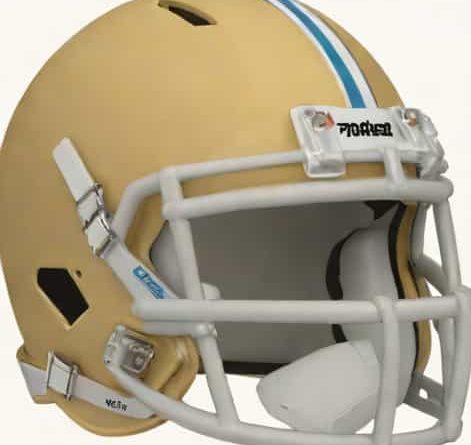
Youth Football Helmet Chinstrap
When it comes to youth football, safety is the top priority for parents, coaches, and players alike. One of the most essential components of a young athlete’s protective gear is the helmet chinstrap. The chinstrap is a critical piece of equipment that helps secure the helmet in place, ensuring that it stays properly positioned during practices and games. A properly fitted chinstrap can reduce the risk of head injuries, including concussions, by keeping the helmet stable and preventing excessive movement upon impact. Understanding how youth football helmet chinstraps work, how to fit them correctly, and how to maintain them is crucial for the safety and performance of young athletes.
What is a Youth Football Helmet Chinstrap?
A youth football helmet chinstrap is a strap attached to the helmet that goes under the chin to secure the helmet on the player’s head. Unlike adult helmets, youth helmets and chinstraps are designed to accommodate smaller head sizes and different facial structures. Chinstraps typically consist of adjustable straps and padding to ensure comfort, stability, and a secure fit. They are made from durable materials such as nylon, leather, or synthetic composites, which can withstand repeated impacts and stress during gameplay.
Types of Chinstraps
There are several types of chinstraps commonly used in youth football, each with specific features to enhance fit and protection
- Two-Point ChinstrapConnects at two points on the helmet, usually on either side of the jaw, providing basic stability.
- Four-Point ChinstrapAttaches at four points, offering a more secure fit and evenly distributing force across the helmet.
- Six-Point ChinstrapProvides maximum stability by securing the helmet at six attachment points, commonly used for younger athletes or those requiring extra support.
- Padded ChinstrapIncludes soft padding for added comfort, reducing irritation or pressure on the chin during long practices or games.
Importance of the Chinstrap in Youth Football
The chinstrap is not just a simple accessory; it plays a vital role in helmet performance and player safety. A properly fitted chinstrap ensures that the helmet remains in place during collisions, tackles, and sudden movements. Without a secure chinstrap, the helmet can shift, increasing the risk of head, facial, and neck injuries. The American Academy of Pediatrics and other sports safety organizations emphasize that youth football players should always wear helmets with chinstraps fastened correctly to reduce injury risks.
Impact on Safety
When a helmet is securely fastened with a chinstrap, it can effectively absorb and distribute the force of impacts, reducing the likelihood of concussions or skull fractures. The chinstrap keeps the helmet aligned with the head, preventing the helmet from sliding over the forehead or tilting backward. This stability is especially important for younger players whose neck muscles are still developing and may not be able to support sudden impacts as effectively as adults.
Enhancing Performance
Beyond safety, a well-fitted chinstrap also improves player performance. A secure helmet allows the player to move confidently without worrying about the helmet shifting or falling off. This confidence can lead to better focus, improved technique, and a higher level of engagement in practices and games. Coaches often stress the importance of checking chinstrap tightness before every game to ensure players can perform at their best while staying protected.
Fitting a Youth Football Helmet Chinstrap
Proper fit is critical for the effectiveness of a chinstrap. An incorrectly fitted chinstrap can negate the helmet’s protective benefits. Parents and coaches should follow specific guidelines when fitting chinstraps for youth players.
Steps to Fit a Chinstrap
- Place the helmet on the player’s head and ensure it sits level, covering the forehead and fitting snugly around the crown.
- Adjust the chinstrap so it rests comfortably under the chin without pinching the skin.
- Secure the straps using the provided snaps, clips, or buckles, ensuring that the helmet does not move excessively when the head is shaken.
- Check that the player can open their mouth and speak comfortably while keeping the helmet stable.
- Test by gently pushing the helmet from side to side and front to back; minimal movement indicates a secure fit.
Common Fitting Mistakes
Many youth players wear helmets incorrectly due to poor chinstrap fit. Common mistakes include
- Straps too loose, allowing the helmet to shift during play.
- Straps too tight, causing discomfort or restricting movement.
- Incorrect attachment points, reducing stability and protection.
- Ignoring adjustments for facial structure or jaw size, which can affect fit.
Maintaining and Replacing Chinstraps
Regular maintenance of a youth football helmet chinstrap is essential to ensure ongoing safety and performance. Over time, chinstraps can wear out, stretch, or lose padding, reducing their effectiveness.
Inspection Guidelines
- Check for frayed straps, broken snaps, or damaged padding before each use.
- Ensure all clips and fasteners are functioning properly.
- Look for signs of excessive wear that may compromise stability or comfort.
Replacement Recommendations
If a chinstrap shows signs of damage or does not maintain a snug fit, it should be replaced immediately. Most youth football leagues have specific requirements for helmet and chinstrap safety standards, and using damaged equipment can result in penalties or disqualification from play. Parents and coaches should always keep spare chinstraps on hand to ensure that every player has access to properly functioning protective gear.
Choosing the Right Chinstrap
When selecting a youth football helmet chinstrap, consider the following factors
- SizeChoose a size appropriate for the player’s age, head shape, and jaw structure.
- AdjustabilityLook for multiple attachment points and adjustable straps for a secure fit.
- ComfortPadded chinstraps reduce irritation during long practices or games.
- DurabilityHigh-quality materials ensure the chinstrap withstands repeated use and impacts.
- ComplianceVerify that the chinstrap meets youth football safety standards.
The youth football helmet chinstrap is a critical component of player safety and performance. By keeping the helmet securely in place, the chinstrap reduces the risk of head injuries and ensures young athletes can play with confidence. Proper fitting, regular inspection, and timely replacement are essential for maintaining the protective benefits of a chinstrap. Parents, coaches, and players must understand the importance of this small but vital piece of equipment, as it directly contributes to safer and more effective youth football experiences. Selecting the right chinstrap, adjusting it correctly, and maintaining it over time ensures that young athletes stay protected while enjoying the sport to its fullest.