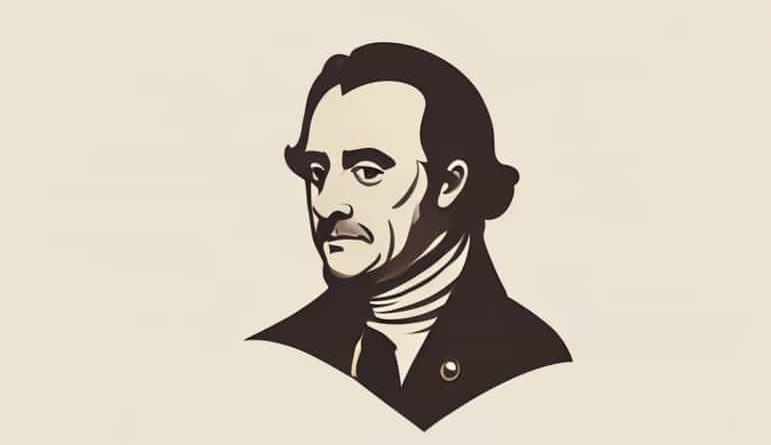
Famous Quote From Baron De Montesquieu
Baron de Montesquieu, a prominent French philosopher of the Enlightenment era, is widely known for his influential ideas on political theory, law, and governance. His works, particularly The Spirit of the Laws, have inspired generations of thinkers, lawmakers, and leaders. Among his many insights, certain famous quotes have stood the test of time, encapsulating his wisdom on liberty, justice, and the separation of powers. Understanding these quotes not only provides insight into Montesquieu’s philosophy but also sheds light on the foundations of modern democratic thought. Exploring a famous quote from Baron de Montesquieu allows readers to appreciate the relevance of his ideas in today’s political and social contexts.
Who Was Baron de Montesquieu?
Montesquieu, born Charles-Louis de Secondat in 1689, was a French aristocrat, lawyer, and political philosopher. He is best known for his work on the structure of government and the importance of checks and balances. Montesquieu’s ideas were revolutionary in the 18th century and have had a lasting impact on modern political systems, including the Constitution of the United States. His writings emphasized liberty, the rule of law, and the dangers of concentrated power.
Montesquieu’s Philosophical Contributions
Montesquieu’s philosophy centered on the principles of political freedom and the prevention of tyranny. He believed that power should not be concentrated in a single individual or institution, but rather divided among different branches of government. His famous advocacy for the separation of powers has become a cornerstone of democratic governance worldwide. Montesquieu also explored social, cultural, and legal aspects of society, arguing that laws should reflect the nature and needs of the people they govern.
Famous Quote from Baron de Montesquieu
One of Montesquieu’s most famous quotes is Useless laws weaken the necessary laws. This quote reflects his concern about the overabundance of regulations that can dilute the effectiveness of essential legal principles. Montesquieu believed that the law should be clear, just, and designed to promote the welfare of society. When unnecessary or arbitrary laws accumulate, they not only burden citizens but also undermine respect for the legal system as a whole.
Interpretation of the Quote
The quote Useless laws weaken the necessary laws can be interpreted in several ways. Primarily, it warns against the creation of laws that serve no real purpose or that exist only for the sake of authority. Such laws can confuse citizens, overcomplicate governance, and make enforcement more difficult. Montesquieu emphasizes that effective laws should be limited, targeted, and aligned with the principles of justice and social welfare.
Application in Modern Governance
In today’s political systems, Montesquieu’s insight remains highly relevant. Governments often face challenges related to legislative overreach, where excessive regulations can hinder economic growth, civil liberties, and social development. Lawmakers are reminded by this quote to prioritize essential legislation and to carefully evaluate the purpose and impact of every new law. By doing so, societies can maintain a legal system that is respected, effective, and fair.
Other Notable Quotes by Montesquieu
Beyond the famous quote on laws, Montesquieu offered numerous insights that continue to influence political and philosophical thought. Some of these quotes include
On Liberty and Freedom
- Liberty is the right to do what the law permits. – This emphasizes that true freedom exists within the framework of just and rational laws.
- In order for each person to have liberty, it is essential that the powers of government be separated. – Highlighting the importance of the separation of powers in protecting individual freedoms.
On Power and Government
- There is no liberty if the judiciary power is not separated from the legislative and executive. – Underscoring the critical role of an independent judiciary in maintaining balance and preventing tyranny.
- Power should be a check to power. – This succinctly captures Montesquieu’s principle that no single branch or individual should dominate governance.
On Society and Morality
- Customs and laws are the children of circumstances. – Recognizing that legal systems must evolve according to the culture, geography, and needs of society.
- In a democracy, the people are the source of all power, and government exists to serve them. – Emphasizing accountability and civic participation.
The Relevance of Montesquieu’s Quotes Today
Montesquieu’s quotes are not merely historical artifacts; they offer timeless guidance for lawmakers, citizens, and leaders. His emphasis on the separation of powers, the effectiveness of laws, and the protection of liberty continues to inform contemporary debates on governance, legal reform, and civil rights. Students of political science, philosophy, and law frequently study Montesquieu’s quotes to gain insight into foundational democratic principles.
Practical Lessons from Montesquieu’s Wisdom
- Prioritize essential laws and avoid legislative clutter that can weaken governance.
- Ensure that government powers are distributed to prevent the concentration of authority.
- Recognize that freedom and liberty depend on the protection of rights within a fair legal framework.
- Adapt laws and policies to reflect the social, cultural, and economic realities of society.
Montesquieu in Education and Civic Life
Educators often use Montesquieu’s quotes to teach students about the principles of democracy, governance, and the rule of law. Civic leaders and policymakers reference his insights when advocating for legal reforms or institutional checks and balances. Understanding his famous quotes helps people appreciate the complexity of lawmaking, the importance of ethical governance, and the role of citizens in maintaining liberty.
Baron de Montesquieu’s famous quote, Useless laws weaken the necessary laws, along with his other profound statements, continues to influence how societies understand law, power, and liberty. His philosophy highlights the importance of thoughtful legislation, separation of powers, and respect for individual rights. By studying Montesquieu’s insights, readers can gain a deeper appreciation for the principles that underpin modern democracy and effective governance. Whether applied to legal systems, political debates, or personal reflection, his quotes provide timeless guidance on the balance between authority and freedom, the purpose of laws, and the responsibilities of citizens and leaders alike. Montesquieu’s enduring wisdom reminds us that thoughtful governance and respect for justice are essential for a society that values liberty, fairness, and accountability.