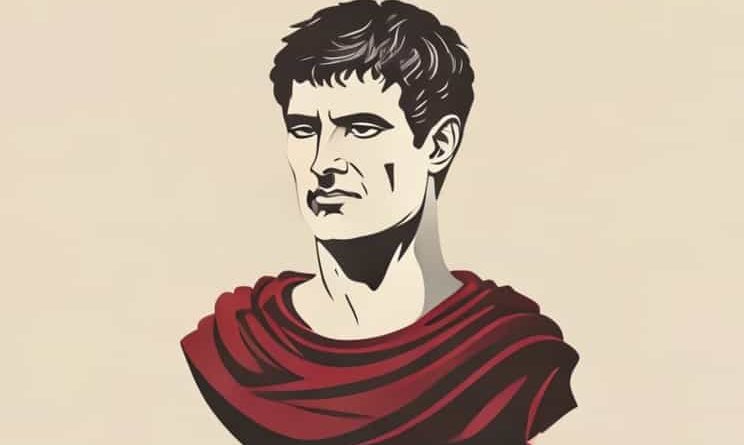
Julius Caesar The Making Of A Dictator
Julius Caesar remains one of history’s most fascinating and complex figures, known for his brilliance in military strategy, political maneuvering, and his dramatic rise to power in the late Roman Republic. The making of Caesar as a dictator was not a sudden event but rather the culmination of years of calculated decisions, alliances, and tactical brilliance. From his early years in Rome to his conquests in Gaul and his ultimate seizure of control over the Roman state, Caesar’s life illustrates how ambition, intelligence, and political acumen can converge to create a historical figure who reshaped the course of an empire.
Early Life and Political Beginnings
Gaius Julius Caesar was born in 100 BCE into the Julian clan, a family with patrician roots but limited political influence at the time. From an early age, Caesar demonstrated intelligence, charisma, and a keen understanding of Roman politics. His early experiences during a period of political instability in Rome exposed him to the machinations of power and the necessity of strategic alliances. Caesar quickly realized that to rise through Rome’s complex hierarchy, he would need both military prowess and political cunning.
The Importance of Alliances
- Caesar aligned himself with powerful political figures, including the Populares faction, which advocated reforms to benefit the common people.
- He formed strategic friendships with influential Romans, ensuring that he could leverage their support in his rise.
- His marriage alliances, including his union with Cornelia and later Calpurnia, helped strengthen his political network.
- Early career positions, such as quaestor and aedile, provided him both administrative experience and public visibility.
Through careful networking and alliances, Caesar built the foundation that would support his later ambitions for control over Rome.
Military Campaigns and the Conquest of Gaul
Caesar’s military achievements were central to his emergence as a dominant figure. His campaigns in Gaul, spanning from 58 BCE to 50 BCE, demonstrated his strategic brilliance, bold decision-making, and ability to inspire loyalty among his troops. By expanding Roman territory and securing immense wealth, Caesar not only enhanced his reputation but also established the military power necessary to challenge political rivals in Rome.
Key Elements of Caesar’s Military Success
- Innovative tactics and adaptability on the battlefield.
- Ability to cultivate strong personal loyalty among soldiers.
- Use of propaganda, including detailed accounts in his Commentarii de Bello Gallico, to shape public perception.
- Integration of conquered territories into the Roman system to maintain long-term control.
Caesar’s successes in Gaul made him a household name in Rome and positioned him as a formidable force in both military and political arenas.
The Political Maneuvering That Led to Dictatorship
Upon returning to Rome, Caesar faced a political landscape fraught with rivalry and factionalism. His growing popularity and military achievements caused tension with the Senate and established leaders, most notably Pompey the Great. The breakdown of the First Triumvirate, an alliance between Caesar, Pompey, and Crassus, set the stage for political confrontation that would ultimately lead to civil war.
Crossing the Rubicon
In 49 BCE, Caesar made the momentous decision to cross the Rubicon River with his army, an act considered an insurrection against Rome. This decision ignited a civil war, marking a critical turning point in his ascent to power. The phrase crossing the Rubicon has since become synonymous with committing to a decisive and irreversible action. Caesar’s calculated risk demonstrated his willingness to defy convention and seize control when opportunities arose.
Consolidating Power
After defeating Pompey and his allies, Caesar emerged as the unrivaled leader of Rome. He implemented a series of reforms that centralized authority, restructured the calendar, and addressed social and economic issues. These measures, while beneficial in some respects, also solidified his personal control over the Roman state, effectively transforming the political system and diminishing the traditional powers of the Senate.
Key Reforms and Strategies
- Redistribution of land to veterans and the poor, securing popular support.
- Reform of the Roman calendar, creating the Julian calendar still influential today.
- Expansion of citizenship and integration of provincial elites into the Roman system.
- Appointment to the position of dictator perpetuo, or dictator for life, consolidating ultimate authority.
Through these reforms, Caesar not only enhanced the efficiency and stability of Rome but also cemented his status as a central figure in governance, moving closer to absolute power.
The Role of Public Image and Propaganda
Caesar’s rise was also aided by his careful management of public perception. He understood the importance of reputation, charisma, and communication. Public speeches, writings, and visible acts of generosity contributed to his image as a capable, decisive, and benevolent leader. By cultivating loyalty among both the people and his troops, Caesar reinforced his authority and mitigated opposition from political rivals.
Methods of Influence
- Publishing commentaries on military campaigns to showcase skill and intelligence.
- Participating in public games and events to gain favor with citizens.
- Leveraging visual symbolism, such as coins bearing his likeness, to assert dominance.
- Utilizing the loyalty of veterans to enforce political decisions and maintain order.
These strategies illustrate that Caesar’s dictatorship was not solely the result of military conquest but also a product of careful image management and political foresight.
The Downfall and Legacy
Despite his achievements, Caesar’s accumulation of power generated fear and resentment among some senators, leading to his assassination on the Ides of March, 44 BCE. His death sparked another series of civil wars, ultimately resulting in the establishment of the Roman Empire under Augustus. Caesar’s life demonstrates the delicate balance between ambition, power, and public perception, highlighting both the opportunities and risks inherent in the pursuit of dictatorship.
Lessons from Caesar’s Rise
- Strategic alliances and political networking are crucial for consolidating power.
- Military success can serve as a foundation for political authority.
- Public image and propaganda significantly influence the perception of leadership.
- Excessive centralization of power may provoke opposition and risk instability.
The making of Julius Caesar as a dictator was a multifaceted process that combined military prowess, political strategy, and public influence. From his early life in Rome to his campaigns in Gaul and his eventual consolidation of power, Caesar demonstrated remarkable ambition and skill. While his assassination marked a dramatic end to his life, the structures, reforms, and strategies he implemented left an enduring legacy that shaped the future of Rome. Caesar’s story is a testament to how determination, intelligence, and careful maneuvering can elevate an individual to extraordinary heights, illustrating the complexities of power and leadership in one of history’s most renowned civilizations.