What Is A Bulrush In The Bible
The word bulrush appears in several passages of the Bible and often raises questions for modern readers who are unfamiliar with ancient plants and landscapes. To people living today, the term may sound vague or symbolic, but in biblical times it referred to a real plant with practical and symbolic significance. Understanding what a bulrush is in the Bible helps bring clarity to well-known stories and enriches the imagery used throughout Scripture.
The Basic Meaning of a Bulrush
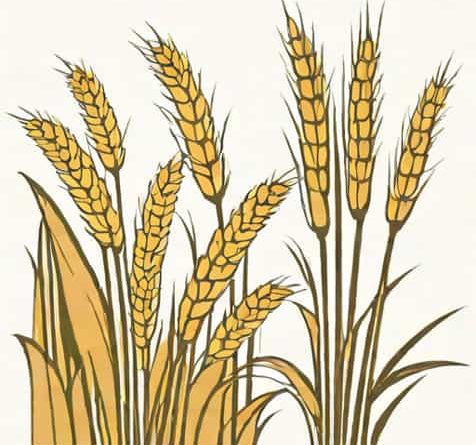
In the Bible, a bulrush refers to a tall, reed-like plant that grows in marshy or watery areas. It is commonly associated with rivers, streams, and wetlands. Bulrushes have long, slender stalks and were abundant in regions such as Egypt and along the Nile River.
The Hebrew and Greek words translated as bulrush can refer to several similar plants, including papyrus and reeds. These plants were flexible, strong, and useful in everyday life.
A Plant of Wetlands
Bulrushes thrive in water-rich environments, making them a natural part of riverbanks and shallow waters mentioned in biblical narratives.
Bulrush in the Story of Moses
The most famous biblical reference to bulrushes appears in the story of Moses as a baby. According to the Book of Exodus, Moses was placed in a basket among the bulrushes along the Nile River to protect him from danger.
In this context, bulrushes serve as both a physical hiding place and a symbol of protection. The dense growth provided cover, allowing the basket to remain concealed while still floating safely.
Safety Among the Reeds
The bulrushes were not accidental background details. They played a practical role in preserving life during a moment of great risk.
Material Uses of Bulrushes in Biblical Times
Bulrushes were not only part of the natural scenery; they were also used as raw materials. One of the most important uses was the making of papyrus, a writing material widely used in the ancient world.
The stalks of the bulrush plant could be woven or pressed together to form baskets, mats, ropes, and even small boats. These everyday uses help explain why the Bible mentions bulrushes in practical contexts.
Everyday Utility
Bulrushes supported daily life by providing materials that were lightweight, durable, and readily available.
Bulrushes and Papyrus
In some Bible translations, the word bulrush is closely linked with papyrus. Papyrus plants were a type of bulrush that grew abundantly along the Nile.
Papyrus was used for writing documents, recording laws, and preserving history. This connection gives the bulrush additional importance, linking it to communication and record-keeping in biblical culture.
A Plant That Preserved Words
The same plant that sheltered a baby in the river also helped preserve written knowledge and tradition.
Symbolic Meaning of Bulrush in the Bible
Beyond its physical characteristics, the bulrush carries symbolic meaning in the Bible. Because it grows in water and bends easily without breaking, it can represent humility, fragility, or dependence on the environment.
In poetic and prophetic passages, plants like bulrushes are sometimes used to illustrate human weakness or temporary prosperity.
Imagery of Fragility
A bulrush can stand tall yet remains dependent on water, reminding readers of the fragile balance of life.
Bulrush in Poetry and Prophecy
The Bible occasionally refers to bulrushes in poetic or symbolic language. These references often highlight the contrast between strength and weakness or abundance and emptiness.
Because bulrushes grow quickly but can also wither, they serve as fitting imagery for temporary success or fleeting security.
Nature as a Teaching Tool
Biblical writers often used familiar plants to communicate deeper spiritual truths.
Bulrush and the Environment of the Bible
Understanding what a bulrush is in the Bible also helps readers visualize the natural environment of ancient biblical lands. Rivers, marshes, and wetlands were central to survival, agriculture, and transportation.
Bulrushes were part of ecosystems that supported fishing, irrigation, and trade. Their presence in Scripture reflects the close relationship between people and their environment.
Life Along the Water
Many biblical events took place near water, where plants like bulrushes naturally grew.
Bulrush Compared to Other Biblical Plants
The Bible mentions many plants, such as olive trees, vines, cedars, and grass. Bulrushes differ from these because they are associated with water rather than dry land.
While trees often symbolize strength and permanence, bulrushes tend to represent vulnerability and dependence. This contrast adds depth to biblical imagery.
A Unique Symbol
Each plant mentioned in Scripture carries its own message shaped by its natural qualities.
Cultural Significance of Bulrushes
In ancient cultures, bulrushes were familiar and ordinary. Their mention in the Bible would have been immediately understood by original audiences.
They symbolized everyday life, survival, and adaptation to the natural world. This makes their appearance in Scripture both practical and relatable.
Ordinary Yet Meaningful
Bulrushes remind readers that God’s work often takes place through ordinary elements.
Bulrush and God’s Care
The story of Moses among the bulrushes highlights a theme that appears throughout the Bible God’s care working through natural means. Rather than dramatic miracles alone, protection sometimes comes through simple resources.
The bulrushes did not draw attention to themselves, yet they played a role in preserving a life with great purpose.
Small Details, Big Impact
Seemingly minor elements can be part of a larger plan.
Lessons From the Bulrush
The biblical use of bulrushes offers several lessons. It encourages attentiveness to the details of Scripture and appreciation for the natural world as part of God’s design.
- Protection can come from unexpected places
- Ordinary materials can serve extraordinary purposes
- Life often depends on humble, overlooked elements
Seeing Meaning in Simplicity
The bulrush teaches that simplicity does not equal insignificance.
Modern Reflections on Bulrush Imagery
For modern readers, the bulrush may no longer be a familiar plant, but its meaning remains relevant. It invites reflection on how environment, resources, and trust intersect in human life.
Understanding what a bulrush is in the Bible helps bridge the gap between ancient culture and contemporary reading.
Connecting Past and Present
Learning about biblical plants enriches understanding and deepens engagement with Scripture.
Why Understanding Bulrush Matters
Knowing what a bulrush is in the Bible prevents misinterpretation and adds texture to familiar stories. It helps readers imagine scenes more clearly and appreciate the realism of biblical narratives.
Rather than being symbolic alone, the bulrush was a real plant with real uses, making biblical events feel grounded and tangible.
Reading With Context
Context brings Scripture to life and enhances understanding.
The Meaning of a Bulrush in the Bible
A bulrush in the Bible is more than a simple plant. It represents the natural world of ancient Scripture, a practical resource for daily life, and a powerful image within important biblical stories. From sheltering a child to symbolizing human fragility, the bulrush carries layered meaning.
Understanding what a bulrush is in the Bible allows readers to see how ordinary elements played meaningful roles in sacred history. It reminds us that even the most humble parts of creation can be woven into stories of protection, purpose, and enduring significance.