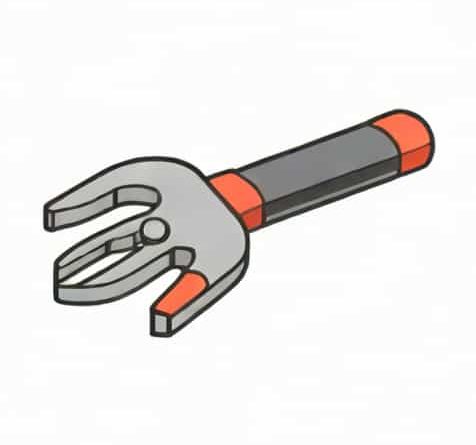
What Is A Crimp Tool
A crimp tool is a specialized hand tool designed to join two pieces of material together by deforming one or both of them in a controlled manner. It is commonly used in electrical work, metalworking, and various types of assembly projects to create secure and reliable connections without the need for soldering or welding. Crimp tools are essential in both professional and DIY settings because they ensure consistent, durable connections that can withstand mechanical stress, vibrations, and environmental factors. Understanding what a crimp tool is, how it works, and its different applications is crucial for anyone involved in wiring, cable management, or assembly work, as using the right tool improves safety, efficiency, and product longevity.
Definition and Purpose of a Crimp Tool
A crimp tool is essentially a device used to compress a connector, sleeve, or terminal onto a wire or cable, creating a tight and permanent mechanical bond. The process of crimping ensures that electrical or mechanical connections are secure, providing optimal conductivity and strength. Crimp tools come in various designs and sizes depending on the type of connector or material being used. The primary purpose of a crimp tool is to provide a consistent, strong connection that can endure repeated use, environmental exposure, and mechanical stresses without loosening or failing. This makes crimp tools a preferred choice in many industries where reliability is critical.
How a Crimp Tool Works
The operation of a crimp tool involves inserting the wire or cable into a connector or terminal, positioning it correctly, and applying pressure using the tool’s jaws or dies. This compresses the connector onto the wire, deforming the metal in such a way that it grips the conductor firmly. Most crimp tools are designed to apply uniform pressure, ensuring a consistent crimp across all connections. Some tools are manual, requiring hand force, while others are ratcheting or hydraulic, offering more precise and uniform crimps, particularly for larger or more specialized connectors. Proper technique is essential to avoid damaging the wire or connector and to maintain optimal conductivity.
Types of Crimp Tools
Crimp tools come in a wide range of designs tailored to different applications. Understanding the different types is important for selecting the right tool for the job
Manual Crimp Tools
Manual crimp tools are handheld devices that require the user to apply pressure directly to crimp connectors onto wires. They are lightweight, portable, and ideal for small-scale or occasional tasks. These tools are commonly used in home electrical projects, automotive wiring, and hobbyist electronics. They usually have interchangeable dies or jaws to accommodate various connector sizes.
Ratcheting Crimp Tools
Ratcheting crimp tools use a ratcheting mechanism to ensure uniform pressure is applied to the connector. The ratchet must complete its cycle before the tool releases, which guarantees a complete and reliable crimp. These tools are widely used in professional electrical work and industrial settings because they reduce the risk of incomplete crimps and improve consistency across multiple connections.
Hydraulic Crimp Tools
Hydraulic crimp tools are used for heavy-duty applications where large cables or connectors require significant force. These tools use hydraulic pressure to apply consistent and powerful crimps, making them suitable for industrial wiring, utility installations, and high-current electrical connections. Hydraulic crimp tools are often used with specialized dies to accommodate different cable sizes and connector types.
Pneumatic and Electric Crimp Tools
Pneumatic and electric crimp tools offer automated or semi-automated crimping, reducing manual effort and increasing efficiency in large-scale production environments. These tools are commonly found in manufacturing plants, automotive assembly lines, and electronics production, where precision and speed are crucial. They are designed to handle high-volume crimping tasks while maintaining uniform quality and minimizing operator fatigue.
Applications of Crimp Tools
Crimp tools are used in a wide variety of industries and applications, reflecting their versatility and importance
Electrical and Electronics
One of the most common uses of crimp tools is in electrical and electronic work. They are used to attach terminals, connectors, and lugs to wires, ensuring reliable conductivity and secure mechanical connections. Crimped connections are often preferred over soldered connections for their speed, consistency, and resistance to vibration.
Automotive Industry
In the automotive sector, crimp tools are essential for wiring harness assembly, battery connections, and sensor installations. Reliable crimps are critical for vehicle safety systems, engine performance, and electrical component longevity. Ratcheting and hydraulic crimp tools are frequently used in manufacturing and repair shops to maintain high-quality connections.
Telecommunications and Networking
Crimp tools are also widely used in telecommunications and networking to attach connectors to coaxial cables, Ethernet cables, and fiber optic lines. Proper crimping ensures minimal signal loss, secure connections, and long-term reliability in communication networks. Precision is key, as improper crimps can cause interference, data loss, or equipment failure.
Aerospace and Industrial Applications
In aerospace, industrial machinery, and heavy equipment, crimp tools are used to ensure connections in high-vibration and high-stress environments. Here, the quality of each crimp is critical for safety and operational efficiency. Hydraulic and specialized crimping tools are preferred for handling large cables, thick wires, and specialized connectors.
Advantages of Using a Crimp Tool
Using a crimp tool provides several benefits that make it essential for professionals and hobbyists alike
- Strong and Reliable ConnectionsCrimps provide both mechanical strength and electrical conductivity, reducing the risk of failure.
- Consistent QualityTools like ratcheting or hydraulic crimpers ensure uniform crimps across multiple connections.
- Time EfficiencyCrimping is faster than soldering or welding, particularly for repetitive tasks.
- Reduced Heat DamageUnlike soldering, crimping does not expose wires or components to heat, minimizing the risk of damage.
- VersatilityCrimp tools can accommodate a wide range of wire sizes, connector types, and applications.
Tips for Effective Crimping
To achieve the best results when using a crimp tool, consider the following tips
- Select the appropriate crimp tool and die for the connector and wire size.
- Strip the wire correctly to ensure proper insertion into the connector.
- Apply consistent pressure using the tool’s mechanism to avoid weak or incomplete crimps.
- Inspect each crimp for uniformity and mechanical integrity before finalizing the connection.
- Practice proper maintenance of the tool, including cleaning and checking for wear on dies or jaws.
A crimp tool is an indispensable device in electrical, automotive, telecommunications, and industrial applications. Its primary function is to create secure mechanical and electrical connections by compressing a connector onto a wire or cable. Crimp tools come in a variety of types, including manual, ratcheting, hydraulic, pneumatic, and electric, each designed to meet different requirements in terms of force, precision, and volume of work. Proper use of crimp tools ensures strong, reliable, and long-lasting connections, reducing the risk of failure and improving efficiency. From small DIY electronics projects to large-scale industrial installations, crimp tools provide a consistent, efficient, and effective method for joining wires and cables, making them an essential tool for professionals and hobbyists alike.