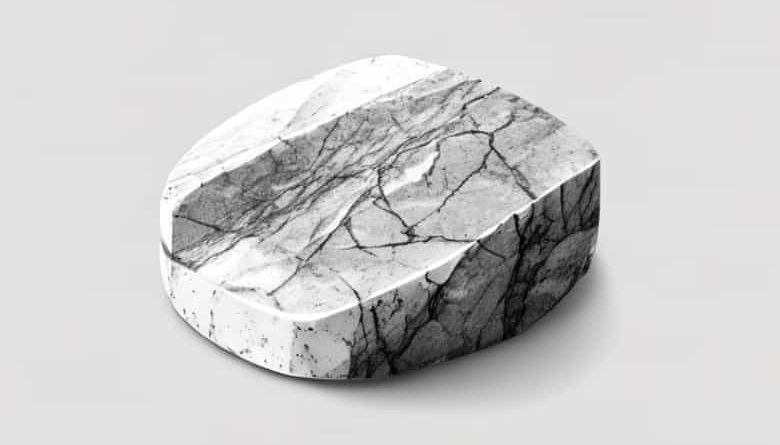
What Kind Of Metamorphism Forms Marble
Marble is one of the most beautiful and widely used natural stones in the world, admired for its smooth texture, elegant appearance, and long history in art and architecture. From ancient statues to modern buildings, marble has played a vital role in human civilization. But many people are surprised to learn that marble does not begin its life as marble at all. It starts as a very different type of rock and is transformed deep within the Earth by powerful geological forces. To understand what kind of metamorphism forms marble, it is important to explore how heat, pressure, and time work together to change ordinary limestone into this remarkable metamorphic rock.
The Original Rock That Becomes Marble
Before discussing the kind of metamorphism that forms marble, it is essential to understand the original rock involved. Marble forms from limestone or sometimes dolostone. Limestone is a sedimentary rock made mostly from the mineral calcite, which originally comes from the shells and skeletons of marine organisms.
Over millions of years, layers of limestone build up on the ocean floor. These layers eventually become buried beneath other sediments and may be pushed deeper into the Earth due to tectonic activity. It is at this stage that metamorphism begins to take place.
What Kind of Metamorphism Forms Marble?
Marble is formed mainly through contact metamorphism, although regional metamorphism can also produce marble under the right conditions. The most common and classic process responsible for marble formation is contact metamorphism, which occurs when limestone is exposed to intense heat from nearby molten magma.
During contact metamorphism, the limestone does not melt. Instead, the heat causes the calcite crystals within the rock to recrystallize. This recrystallization changes the texture, hardness, and appearance of the rock, turning it into marble.
Contact Metamorphism and Marble Formation
Contact metamorphism happens when hot magma moves upward through the Earth’s crust and comes into direct contact with surrounding rocks. The extreme heat from the magma alters the chemical and physical structure of nearby limestone.
In this process, pressure plays a smaller role than heat. The high temperature allows small calcite crystals in the limestone to grow larger and interlock. This interlocking crystal structure is what gives marble its distinctive smooth texture and strength.
The Role of Heat in Marble Formation
Heat is the most critical factor in the formation of marble through contact metamorphism. The temperature must be high enough to cause recrystallization without reaching the melting point of the rock. This typically occurs at depths where magma intrudes into sedimentary rock layers.
As the calcite crystals recrystallize, they become more tightly packed. This process removes many of the original sedimentary features of limestone, such as fossil fragments and layered textures. The result is a denser and more uniform rock, which we identify as marble.
Regional Metamorphism and Marble
Although contact metamorphism is the most common process that forms marble, regional metamorphism can also produce marble under certain conditions. Regional metamorphism occurs over much larger areas and is associated with mountain-building events and tectonic plate collisions.
In this type of metamorphism, limestone is subjected to both high heat and intense pressure over long periods of time. This combination also causes recrystallization of calcite, turning limestone into marble. However, regional metamorphism often creates marble on a much larger scale than contact metamorphism.
Differences Between Contact and Regional Marble Formation
When marble forms through contact metamorphism, it is usually found in narrow zones around magma intrusions. In contrast, marble formed by regional metamorphism can spread across vast mountain ranges and geological regions.
Contact metamorphic marble often displays very pure crystal structures, while regional metamorphic marble may show signs of pressure such as folds, faint layering, or mineral alignment.
Pressure and Its Effect on Marble
While heat is the primary driver of marble formation in contact metamorphism, pressure becomes more important in regional metamorphism. Pressure influences how tightly the calcite crystals pack together and can affect the overall texture of the marble.
In high-pressure environments, marble may develop subtle directional textures. However, because calcite crystals tend to grow in all directions evenly, marble usually lacks the strong layering seen in many other metamorphic rocks.
How Minerals Change During Marble Metamorphism
The main mineral in marble is calcite. During metamorphism, the chemical composition of the rock often stays nearly the same, but the physical structure changes dramatically. The small calcite grains in limestone reorganize into larger interlocking crystals.
Sometimes, impurities in the original limestone, such as clay, sand, or iron minerals, also undergo transformation. These impurities can produce additional minerals like graphite, mica, or garnet, which create colored streaks and patterns in marble.
Why Marble Looks Different From Limestone
Limestone often appears dull and rough, while marble has a smooth, polished surface and a more elegant appearance. This difference is caused by the recrystallization process during metamorphism. The larger crystal size in marble reflects light more evenly, giving it a soft glow.
The loss of visible sedimentary structures also contributes to marble’s uniform look. Fossils and shell fragments that may be visible in limestone are often erased during metamorphism, leaving behind a cleaner appearance.
Where Marble Is Commonly Found
Marble is found in many parts of the world, often near mountain ranges or ancient volcanic regions where metamorphism has occurred. Famous marble-producing regions include parts of Italy, Greece, Turkey, India, and the United States.
These areas experienced either contact metamorphism from magma intrusions or regional metamorphism during tectonic collisions. The geological history of each location determines the quality, color, and texture of the marble found there.
Types of Marble Based on Metamorphism Conditions
The conditions under which marble forms affect its final appearance. Different temperatures, pressures, and impurities result in varied types of marble used for different purposes.
- Pure white marble formed from very clean limestone
- Colored marble formed from limestone with mineral impurities
- Highly crystalline marble created by intense heat
- Textured marble shaped by regional pressure
Why Contact Metamorphism Is the Most Important Process for Marble
Contact metamorphism is considered the primary process for marble formation because it produces marble with consistent quality and fine crystal structure. The focused heat from magma provides the perfect conditions for recrystallization without severe deformation.
This type of marble is especially valued in construction and sculpture because it is strong, smooth, and relatively easy to carve. Many of the world’s most famous statues and buildings are made from contact metamorphic marble.
How Long Does It Take for Marble to Form?
Marble formation is not a quick process. Even under intense heat, the metamorphic changes occur slowly over thousands to millions of years. The limestone must remain in a stable heat zone long enough for the crystals to fully recrystallize.
The slow nature of this process is one reason marble is considered so valuable. It represents a transformation that requires both extreme conditions and immense amounts of time.
Marble in the Rock Cycle
Marble plays an important role in the larger rock cycle. It begins as limestone, becomes marble through metamorphism, and may eventually break down through erosion to form sediment again. That sediment may then turn back into limestone, starting the cycle once more.
This continuous transformation shows how dynamic the Earth’s crust truly is. Even the most solid-looking stone is part of an ongoing natural process.
Uses of Marble Reflect Its Metamorphic Strength
The strength and beauty of marble come directly from the metamorphic process that formed it. Its interlocking crystal structure makes it strong enough for buildings, yet soft enough to carve for art.
Marble is used for flooring, wall panels, countertops, monuments, and sculptures. Its ability to take a high polish makes it especially attractive in decorative architecture.
How Geologists Identify Metamorphic Marble
Geologists identify marble by its crystal structure and reaction with acid. When a drop of weak acid is placed on marble, it reacts and produces small bubbles due to the presence of calcite.
The interlocking crystalline texture and lack of visible sedimentary layers confirm that the rock has undergone metamorphism. These features distinguish marble from limestone.
Environmental Conditions That Favor Marble Formation
For marble to form, specific conditions must exist. There must be a large body of limestone, a nearby heat source like magma or deep burial, and enough time for recrystallization to occur.
These conditions are most often found in tectonically active regions, where volcanic activity and plate movements bring heat close to sedimentary rock layers.
Why Marble Is Considered a Non-Foliated Metamorphic Rock
Marble is classified as a non-foliated metamorphic rock because it does not show layered structures or bands. This is because calcite crystals grow in all directions evenly during metamorphism.
This feature gives marble its uniform appearance and makes it distinct from foliated metamorphic rocks like slate or schist.
Final Understanding of What Kind of Metamorphism Forms Marble
Marble is formed primarily by contact metamorphism, where intense heat from nearby magma causes limestone to recrystallize into a denser, more crystalline rock. In some cases, regional metamorphism can also form marble when limestone is subjected to both high heat and pressure over vast areas.
Through the powerful forces of metamorphism, an ordinary sedimentary rock is transformed into one of the most admired natural stones on Earth. Understanding what kind of metamorphism forms marble helps reveal not only the science behind its beauty but also the incredible geological history hidden within every polished surface.