What Is The Red Hand Of Ulster
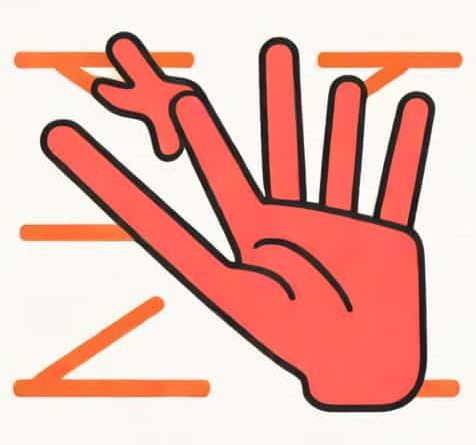
The Red Hand of Ulster is one of the most recognizable and enduring symbols associated with Irish history and identity. Its image, a red hand usually shown upright on a white background, carries deep cultural, political, and legendary meaning. Over centuries, it has appeared in coats of arms, flags, emblems, and stories connected to the province of Ulster and the people who trace their heritage there. Understanding what the Red Hand of Ulster represents requires exploring mythology, medieval history, and its continuing significance in modern times.
Origins of the Red Hand Symbol
The origins of the Red Hand of Ulster are rooted in ancient Irish legend. One of the most well-known stories tells of a race between rival chieftains to claim ownership of the land of Ulster. The rule was simple whoever touched the land first would become its ruler. As the race reached its end, one competitor realized he would lose, so he cut off his own hand and threw it onto the shore, touching the land before anyone else. This dramatic act symbolized determination, sacrifice, and the will to claim leadership at any cost.
Although the story may sound mythical, it helped cement the red hand as a powerful symbol of authority and ownership. Over time, the legend became deeply woven into Irish folklore and identity.
Historical Use of the Red Hand of Ulster
Historically, the Red Hand of Ulster became associated with several Gaelic families, most notably the O’Neill dynasty, one of the most powerful ruling families in medieval Ireland. The O’Neills used the red hand as a symbol of their authority and lineage, reinforcing its connection to leadership and sovereignty.
As centuries passed, the symbol expanded beyond a single family and came to represent the entire province of Ulster. It appeared on banners, shields, and seals, symbolizing both unity and regional pride.
Connection to Ulster’s Provincial Identity
Ulster is one of the four traditional provinces of Ireland, and the Red Hand became closely associated with its identity. Even today, the symbol appears in various official and cultural contexts, representing the historical roots of the region.
The red hand is often depicted as an open palm, sometimes with fingers extended, symbolizing openness, strength, and protection. This imagery helped reinforce its meaning as a sign of guardianship over the land.
Symbolism Behind the Red Hand
The Red Hand of Ulster carries multiple layers of symbolism. At its most basic level, it represents power, courage, and sacrifice. The dramatic legend of the severed hand emphasizes determination and the willingness to make extreme sacrifices for leadership and land.
Beyond the legend, the red color itself is often interpreted as a symbol of strength, vitality, and sometimes bloodshed associated with struggle and survival. The hand, as a universal symbol, also represents action, authority, and human agency.
Political and Cultural Interpretations
Over time, the Red Hand has taken on political meanings, especially in the context of Irish and Northern Irish history. It has been used by different groups to express identity, heritage, and allegiance. While its interpretation can vary depending on perspective, it remains a powerful emblem of cultural continuity.
In modern contexts, the symbol is often seen in sports, regional flags, and historical emblems, representing pride in Ulster’s heritage rather than a single political stance.
The Red Hand in Heraldry
Heraldry played a significant role in preserving and spreading the image of the Red Hand of Ulster. Many coats of arms incorporated the symbol, especially those associated with families or institutions linked to the region.
The most common heraldic form shows a red right hand on a white or silver background. This simple but striking design made the symbol easily recognizable and memorable.
- Used by noble families connected to Ulster
- Appears in civic and regional emblems
- Represents lineage, authority, and tradition
Modern Usage and Recognition
In modern times, the Red Hand of Ulster continues to appear in various cultural and social contexts. It can be seen in logos, sports teams, historical societies, and regional symbols. For many people, it represents pride in heritage and a connection to ancestral roots.
While interpretations may differ, the symbol remains a powerful reminder of Ulster’s long and complex history. Its continued presence shows how ancient imagery can adapt and remain relevant in contemporary society.
Misunderstandings and Clarifications
Because the Red Hand has been used in different historical and political contexts, it can sometimes be misunderstood. It is important to recognize that its origins predate modern political divisions. At its core, the symbol reflects legend, identity, and regional heritage rather than a single ideology.
Understanding this broader background helps separate historical meaning from modern interpretations and allows the symbol to be appreciated in a more balanced way.
Cultural Legacy of the Red Hand of Ulster
The enduring presence of the Red Hand of Ulster demonstrates the power of symbols to carry stories across generations. From ancient legends to modern representations, it continues to capture attention and spark curiosity.
Its survival through centuries of change highlights how deeply rooted symbols can shape cultural memory. Whether seen in art, history, or local identity, the Red Hand remains a striking emblem that connects the past with the present.
By understanding what the Red Hand of Ulster represents, one gains insight into the values, struggles, and traditions that have shaped the region for centuries. It stands as a reminder of how history, legend, and identity intertwine to form powerful symbols that endure over time.